
In modern football, the term regista describes a very specific type of midfielder — one who dictates the game from deep, sets the rhythm of possession, and shapes the team’s entire play structure through distribution, positioning, and tempo control. While many players operate in deeper midfield roles, the regista is unique: he influences the match not through physical dominance or defensive power, but through vision, timing, and an exceptional command of space.
Traditionally associated with Italian football, the role has evolved significantly over the past decade. From Andrea Pirlo at Juventus and Xabi Alonso at Real Madrid and Bayern Munich to Jorginho under Maurizio Sarri, the regista has proven crucial in teams that rely on structured buildup and positional play.
This article breaks down exactly what the regista is, what the role demands in modern systems, and how teams build around this type of player.
What Is a Regista?
The word regista translates to “director” — an accurate description of a player who essentially directs the team’s possession. A regista operates in front of the defense, typically in a 4-3-3 or 4-2-3-1 structure, and acts as the primary reference point during build-up.
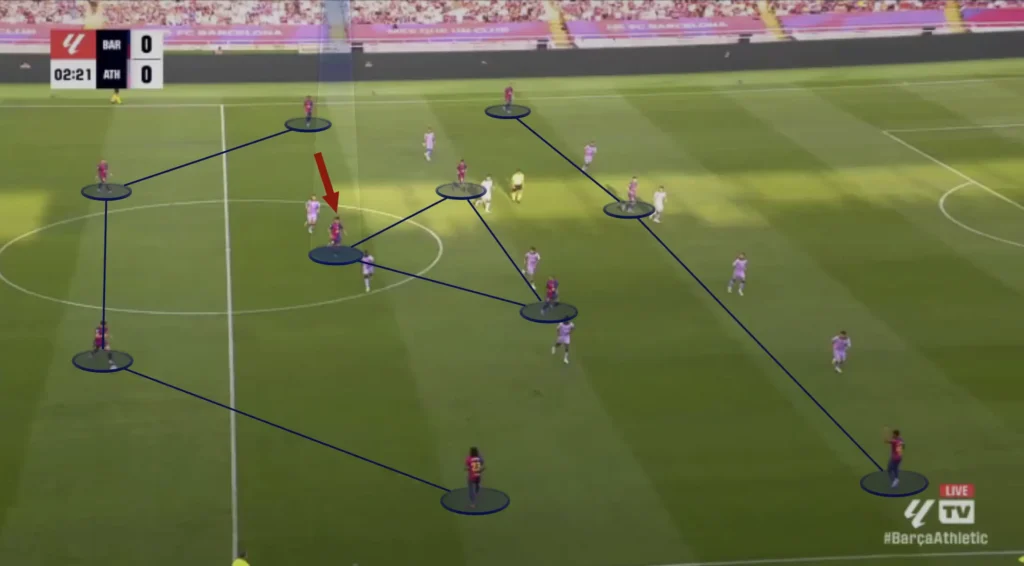
Unlike a traditional defensive midfielder who screens the defense, tackles, and breaks up play, the regista:
- Controls the tempo
- Distributes the ball to all zones
- Organizes possession through positioning and body orientation
- Connects the first phase of build-up to the midfield line
The regista’s influence comes not from volume of ball recoveries but from shaping how and where the team circulates the ball. They decide when to slow the game, when to accelerate, and when to break lines.
Where the Regista Operates
A regista typically positions themselves in deep central zones:
- Just ahead of the center-backs
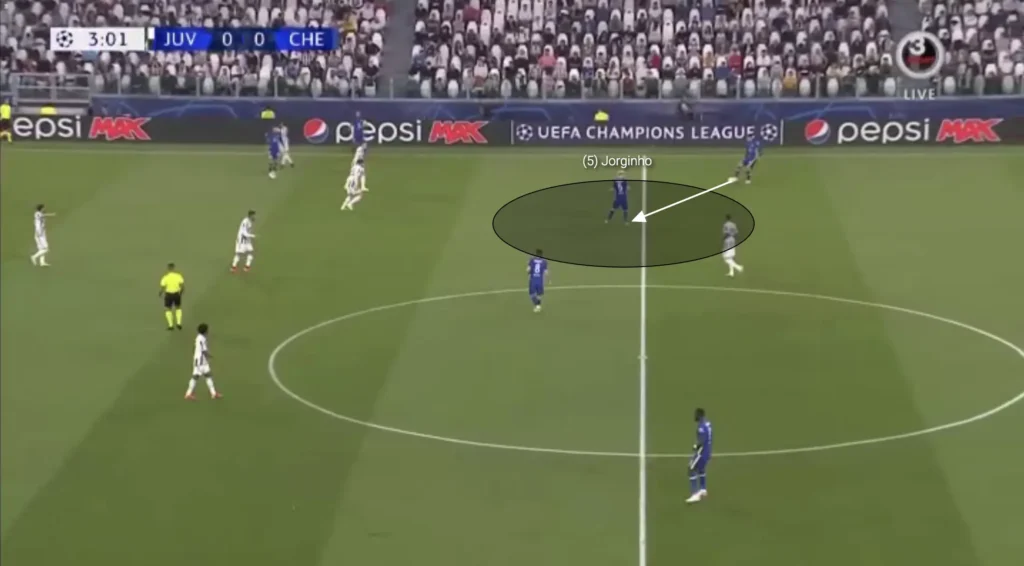
- Between or beside the center-backs during build-up
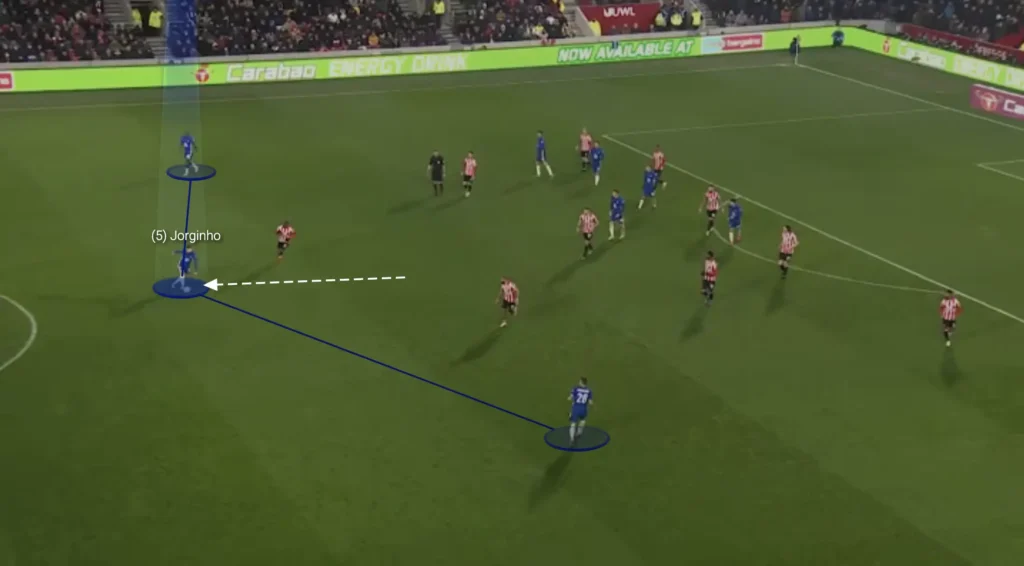
- In pockets behind the first pressing line
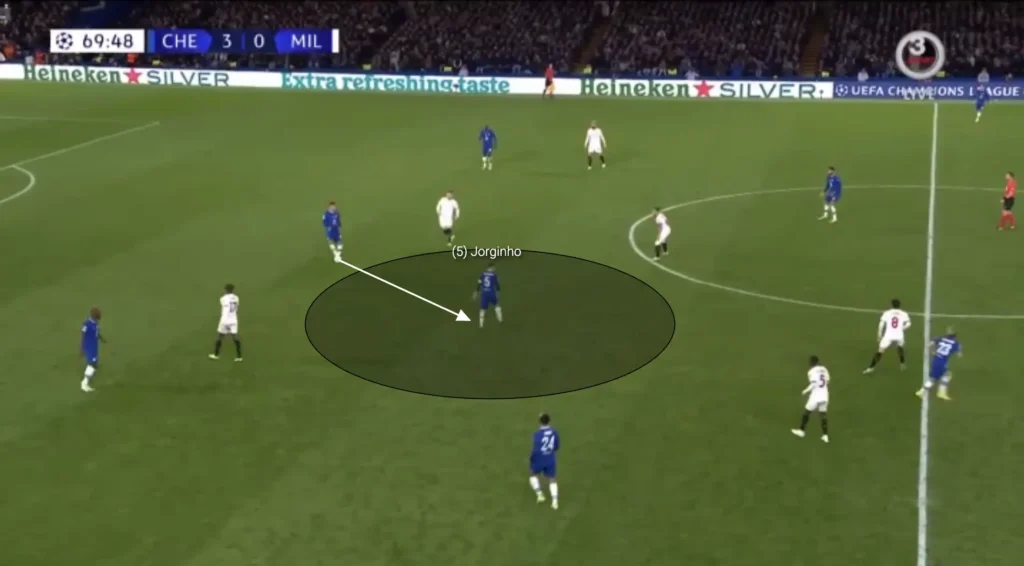
Their positioning creates two fundamental outcomes:
- Offering a stable reference point during pressure
When pressed, teammates know exactly where the safe option is. - Opening passing angles for the center-backs
Their movement manipulates the opposition’s forwards, creating new lanes into midfield.
The regista constantly scans to identify which defender needs support and which opposition player is dictating pressure. Their starting position is rarely fixed — it shifts according to where the ball is, how the opposition presses, and which zones need connection.
Key Responsibilities of a Regista
1. Dictating Tempo
The regista determines the rhythm of possession. They know when to play short to stabilize and when to inject speed with a sudden diagonal or vertical pass.
Tempo control is a subtle but crucial element:
- Recycling the ball slowly draws the opposition forward.
- Accelerating tempo breaks lines or isolates wingers in 1v1 situations.
- Maintaining calm during chaos prevents rushed turnovers.
The regista acts like a metronome — their touch patterns synchronise the movements of teammates.
2. Progressing Play From Deep
A regista is the centerpiece of build-up. They use a variety of pass types to move the ball up the pitch:
- Vertical passes into attacking midfielders or target strikers between the lines
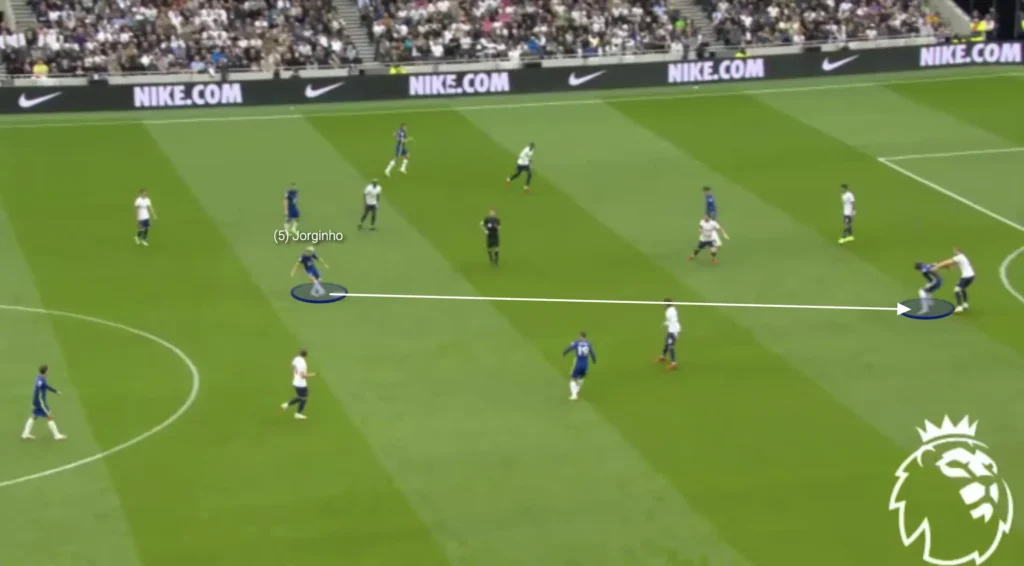
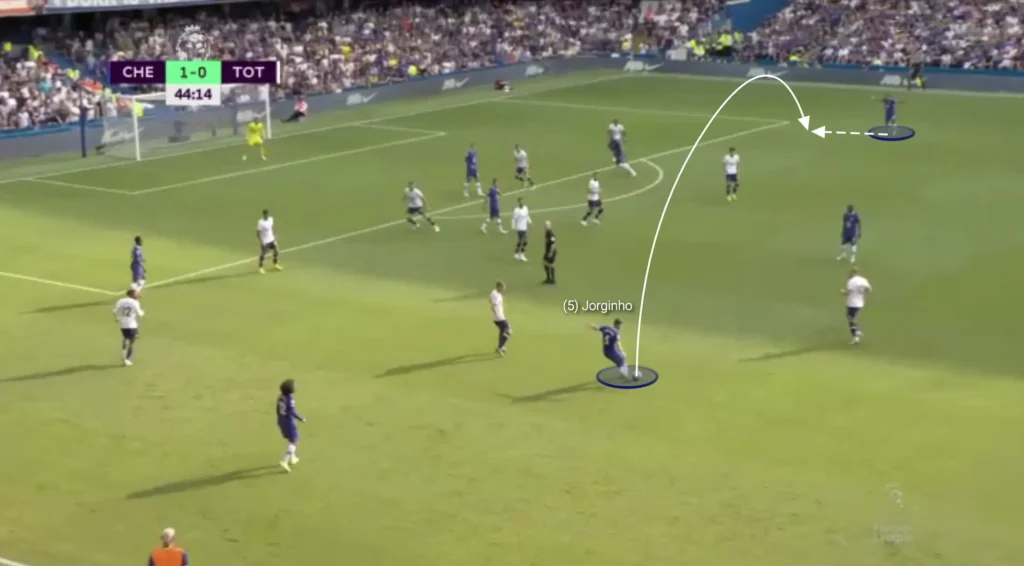
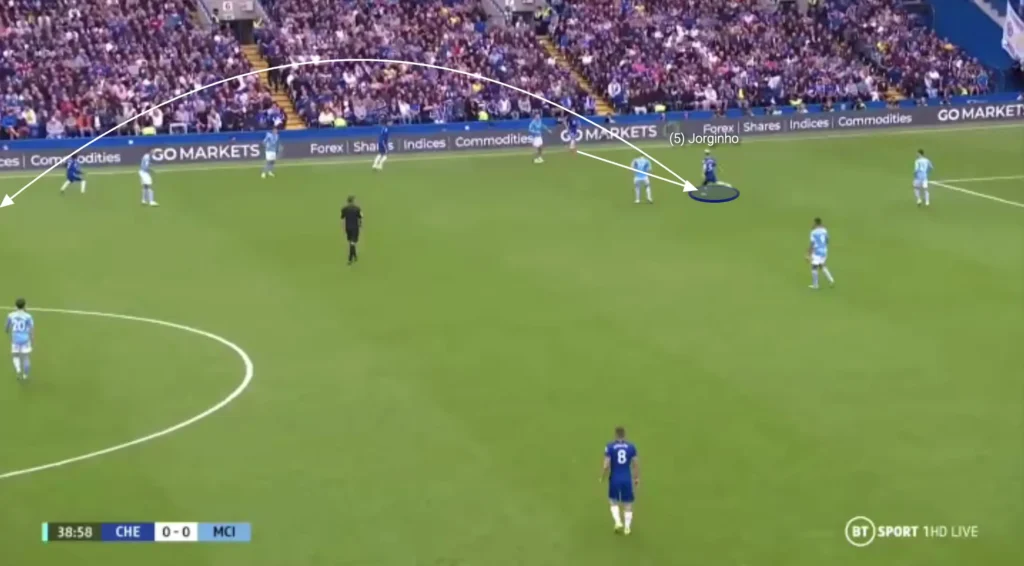
- Subtle clip passes over the first pressing line
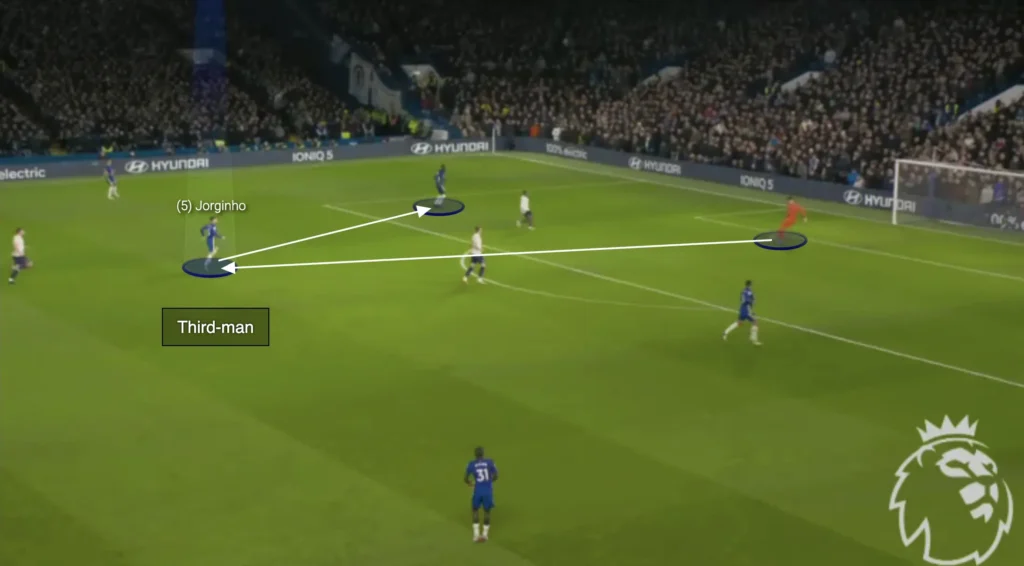
- Third-man combinations, with the regista acting as the receiver who then sets the ball back to an open teammate
Their value lies not just in the passes they complete, but in their ability to spot advantages early: an isolated winger, a dropping striker, or a fullback free on the far side.
3. Organizing Teammates in Possession
Beyond receiving and distributing, the regista acts as an on-pitch coach. They constantly instruct teammates on:
- Positioning during buildup
- Timing of movements
- Distances between midfield and defense
- When to reset play
The regista is a stabilizer — if the structure becomes chaotic, he reorders it with voice and ball circulation.
4. Defensive Responsibilities
Although not a destroyer, the regista must:
- Read passing lanes
- Intercept vertical passes
- Control spaces in front of the center-backs
- Delay transitions until the team can recover
Players like Pirlo or Jorginho defend more with anticipation than with athleticism. Their positioning prevents dangerous passes into the strikers or attacking midfielders.
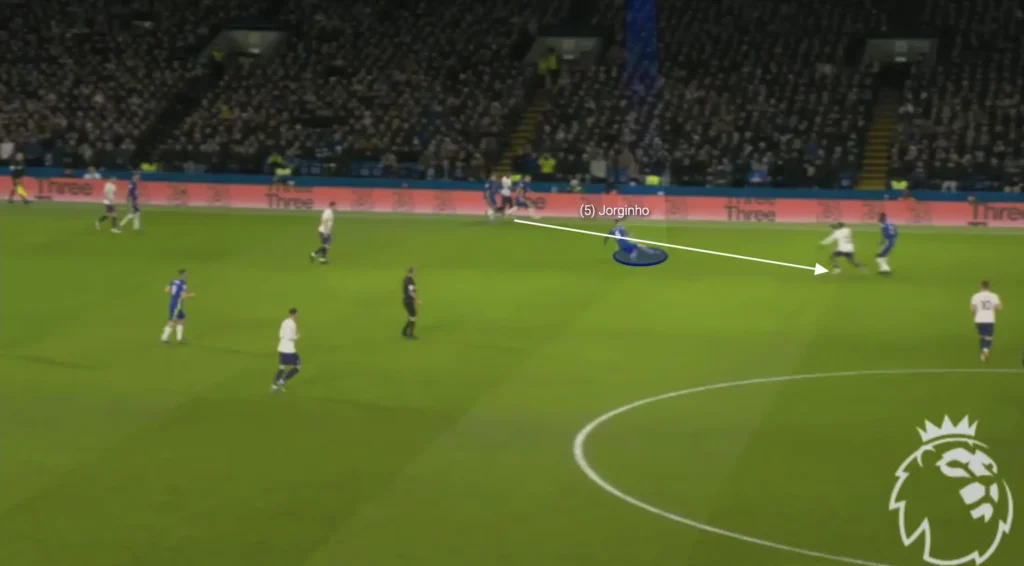
In modern football, teams often pair a regista with a more physically dominant midfielder to balance defensive responsibilities.
Qualities of an Elite Regista
Not every midfielder can play this role. The regista requires a combination of:
- Elite Vision and Awareness
Scanning before every touch allows the regista to anticipate pressure and locate free zones. They do not just see passes — they see sequences. - World-Class Passing Range
Short, medium, long, clipped, disguised — the regista must have every pass in their toolkit. - Press Resistance
Receiving under pressure without losing the ball is non-negotiable. - Tactical Intelligence
Understanding how to manipulate the opposition’s press is central to the role. - Composure
The regista must remain calm even during intense pressure. - Leadership
Since their decisions shape the whole team, registas often lead the tempo and structure of the side.
Why the Regista Remains Important Today
Despite football becoming faster and more vertical, the regista remains valuable because teams need:
- Consistent progression
- Stable build-up
- Press resistance
- Control of rhythm
- Someone to organize possession from deep
As pressing becomes more intense across top leagues, having a regista capable of receiving and playing under pressure has become even more crucial.
Teams without a regista often struggle when pressed aggressively, resorting to aimless long balls or turnovers.
Conclusion
The regista is far more than a deep midfielder — he is the team’s director, connecting phases of play and dictating how the game unfolds. Whether orchestrating methodical build-up or delivering the decisive vertical pass, the regista shapes the identity and rhythm of his team.
As football evolves, the profile of the regista continues to adapt, but the core essence remains the same:
a player who controls the match through intelligence, distribution, and an exceptional understanding of space.