
Few roles in football carry as much identity, artistry, and historical weight as the trequartista, a position built on creativity, intelligence, and influence between the lines. This is the player who dictates tempo in the final third, solves problems in crowded zones, and brings imagination to moments where structured play alone is not enough.
Although the role has evolved and even faded in some modern systems, its tactical importance and the type of player required to perform it continue to fascinate coaches, analysts, and fans. Understanding the trequartista is not only about appreciating a classic No. 10, but also about understanding how creativity shapes attacking football.
What Is a Trequartista?
The word trequartista comes from Italian, meaning “three-quarters,” which describes the zone between midfield and attack where the player operates.
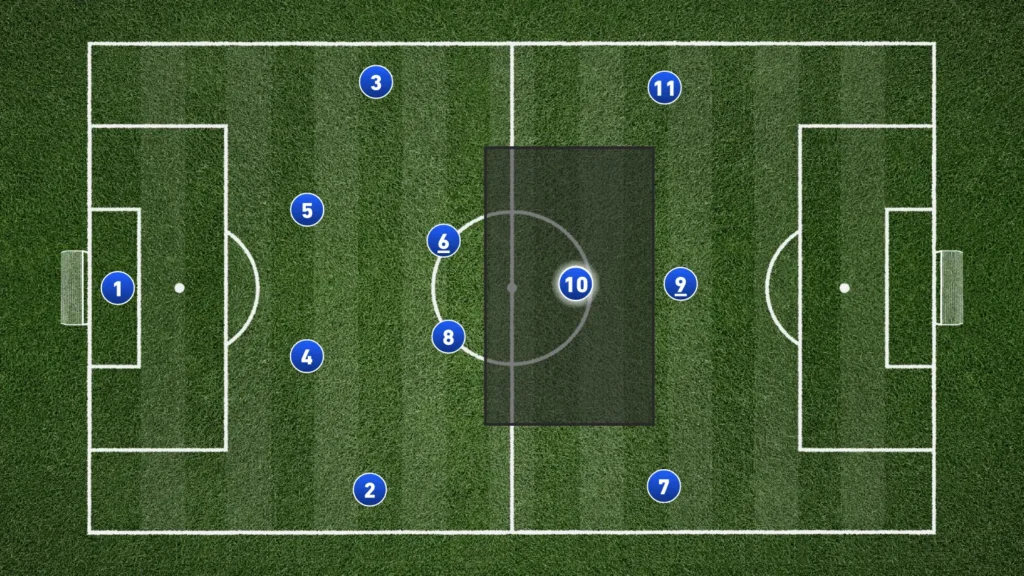
Traditionally, a trequartista is:
- A free creative outlet behind the striker
- A player with little defensive responsibility
- The main link between midfield and attack
- The individual who unlocks defenses with passes, dribbles, and intelligent positioning
This role has been shaped by legendary players such as Francesco Totti, Roberto Baggio, Rui Costa, and Zinedine Zidane, all of whom defined games through vision rather than physical dominance.
Where the Trequartista Operates
The trequartista’s home is the space between the lines, an area opponents constantly try to close. They typically move:
- Behind the opposition midfield
- Between or around the opposition center-backs
- Laterally into both half-spaces to create new angles
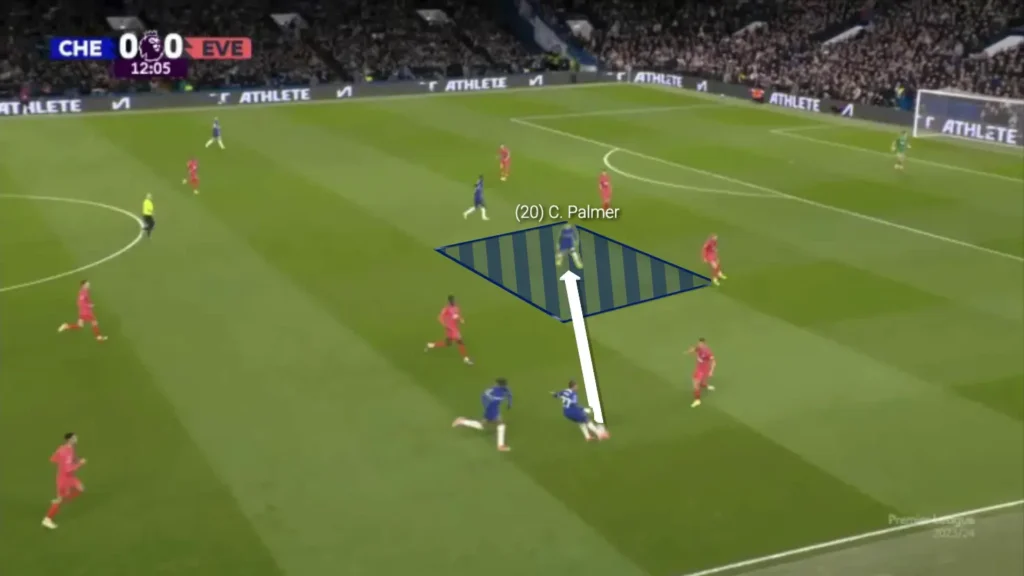
This zone is often congested, but trequartistas thrive by finding pockets of space that appear and disappear rapidly, requiring constant scanning and timing to exploit.
Core Responsibilities
1. Receiving Between the Lines
A key function of the trequartista is receiving under pressure in tight areas.
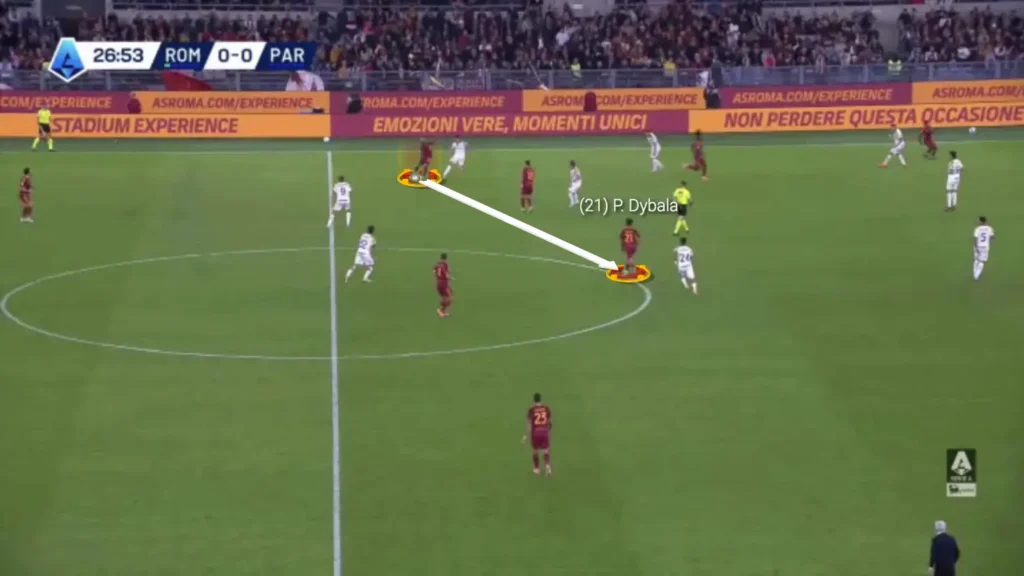
They must handle:
- Closed body orientations
- Immediate pressure from midfielders
- The risk of losing the ball in dangerous zones
Because defenders hesitate to step out of their line, a trequartista’s ability to turn or combine quickly often forces opponents into uncomfortable decisions.
2. Creating Chances
This is the heart of the role. Trequartistas contribute through:
- Quick combinations with attackers
- Through-balls into space
- Precise final and pre-final passes
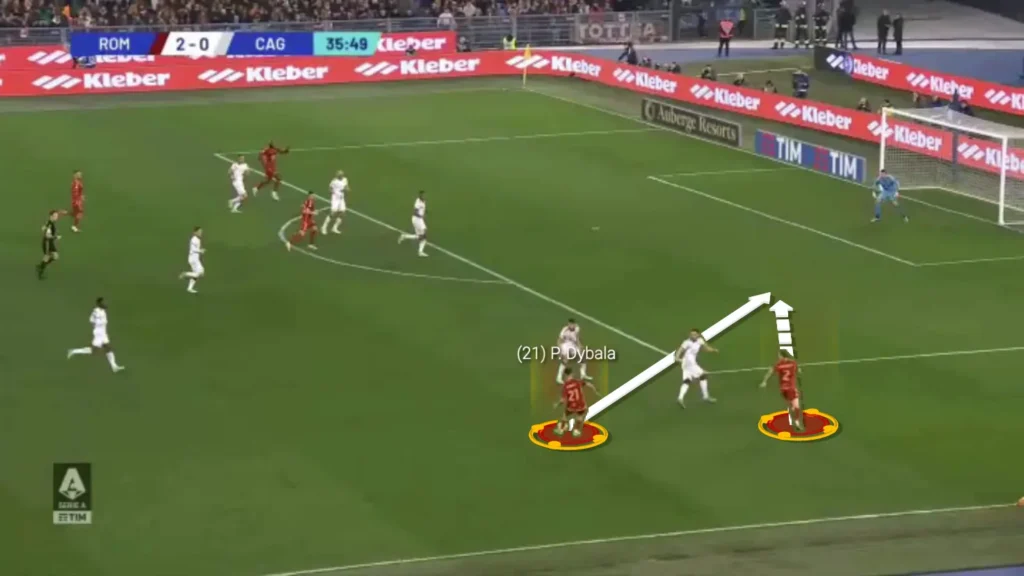
They are expected to solve problems in crowded zones where structured play often becomes ineffective, which is why teams rely on them to generate decisive actions.
3. Decisive Actions
Beyond creativity, trequartistas must contribute directly to goals through:
- Final-third combinations
- Late arrivals into dangerous zones
- Shots on the edge of the box
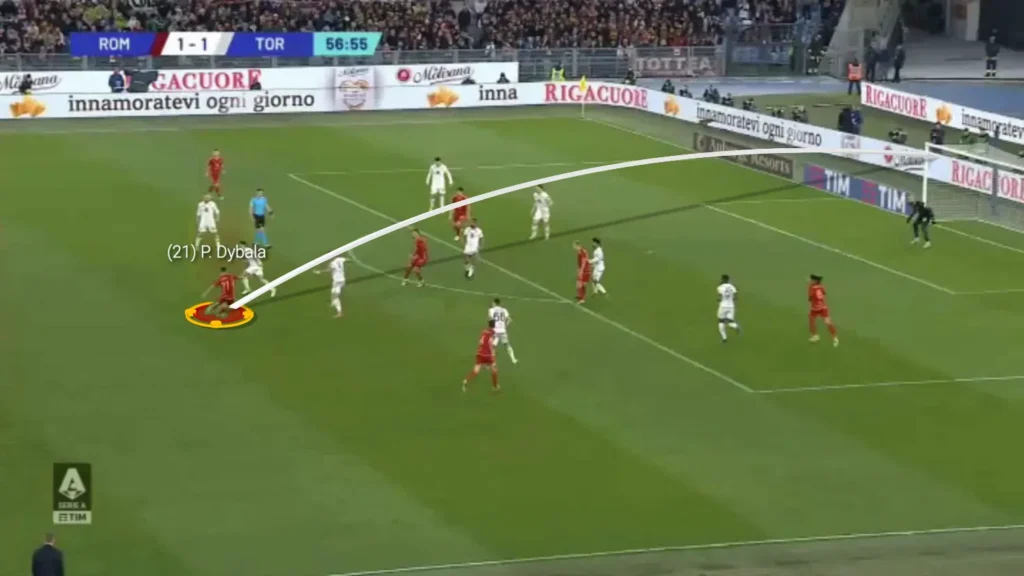
Their influence is measured by how often they alter the rhythm of a game or create opportunities that others cannot.
Key Traits of a Trequartista
Technical
- Excellent first touch
- Tight-space ball control
- Creative passing range
- Short-burst dribbling
Cognitive
- High-level scanning
- Superb awareness and anticipation
- Speed of thought
- Ability to manipulate defenders
Physical
Although physicality is not the foundation of the role, trequartistas still need agility, balance, and quick direction changes to escape pressure and create separation inside extremely tight pockets.
Psychological
- Confidence on the ball
- Creativity
- Calmness under pressure
- Willingness to take risks
How Teams Structure Around a Trequartista
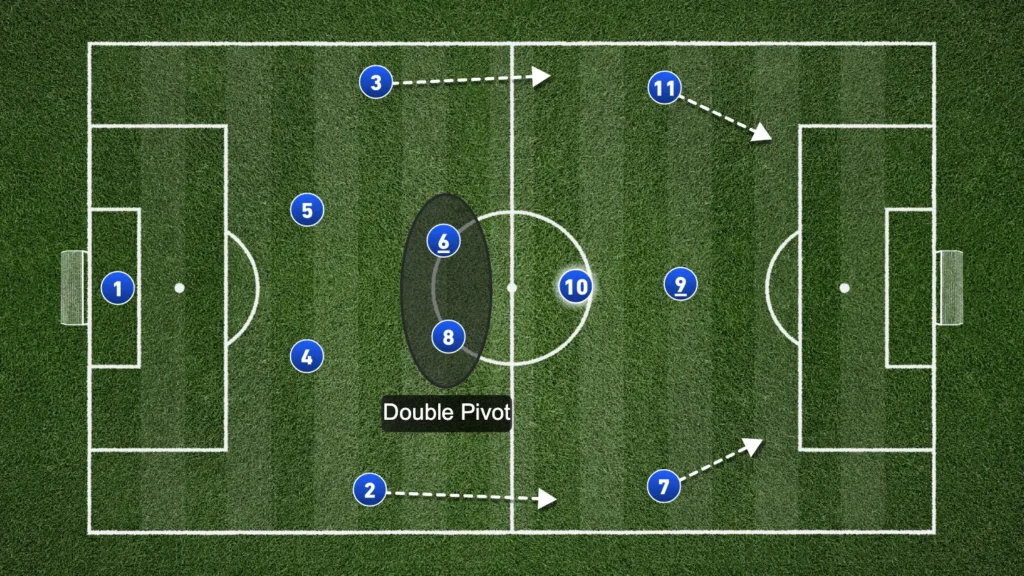
Because the role demands freedom, the team must compensate with structure. Typically:
- A Double Pivot:
Two midfielders sit behind the trequartista to ensure defensive stability and cover transitions, which allows the creative player to stay higher without being overloaded by defensive duties. - Wide Runners:
Wingers or wide forwards stretch the defensive line, creating interior space where the trequartista can receive and turn. - Strikers Who Combine:
The striker must be comfortable linking play, dropping deeper, or making coordinated runs in behind, giving the trequartista multiple angles and passing options. - Fullbacks Providing Width:
With fullbacks stretching the pitch on the outside, the trequartista is free to remain central and operate where they are most dangerous.
Why the Trequartista Has Become Rarer
Modern football has shifted toward highly structured positional play, where players are expected to occupy specific zones rather than roam freely between them. Many teams want multiple players inside the central areas—such as double No. 8s or interior wingers —which naturally reduces the space a trequartista would traditionally operate in.
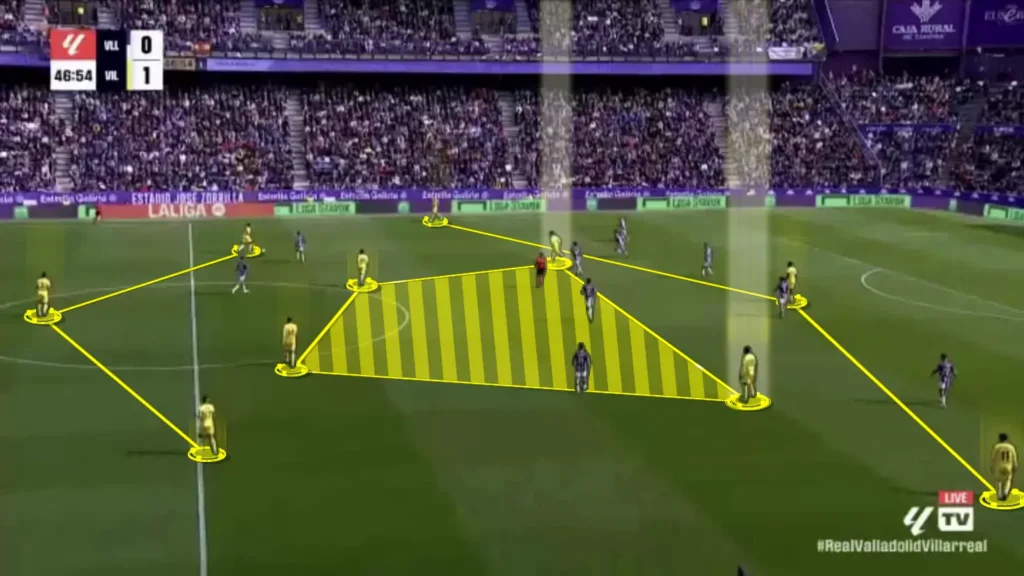
Because these systems prioritize stability, spacing, and coordinated movements, the classic free No. 10 often clashes with the positional discipline required in modern setups.
The decline of the traditional trequartista doesn’t mean the role has lost value; it simply reflects how modern football prioritizes controlled spacing and collective mechanisms over individual freedom in the central channel.
Modern Players With Trequartista Qualities
Although rare, certain players still carry the essence of the role:
- Paulo Dybala – creative link between lines
- Jamal Musiala – elite ball-carrier in pockets
- James Maddison – chance creator between lines
- Rayan Cherki – free central creator with positional intelligence
While these players play more positional than classic trequartistas, their influence in tight central pockets keeps the role alive in modern football.
Could the Trequartista Return?
Even though modern football prioritizes structure and controlled spacing, the game is constantly evolving. As more teams face compact low-blocks and require unpredictable solutions in the final third, the value of a free central creator could grow again. If coaches look for new ways to break organized defenses, the trequartista—or a modernized version of it—may well find its place in the game once more.
Conclusion
The trequartista remains one of football’s most elegant and tactically significant roles. Although the pure version is less common today, the principles behind it—finding space, receiving between lines, creating chances, and shaping the final third—are more valuable than ever. Understanding the trequartista means understanding how creativity disrupts structure, how teams break compact defenses, and how the most intelligent players define attacking play.
All images and visuals in this article are made with Once Sport — a powerful and easy-to-use tactical analysis platform. It helps you annotate clips, visualize movements, and create professional analysis videos. Readers of The Football Analyst get 10% off plus one month free with the code TFA10 at checkout.