
Few roles in modern football blend creativity, mobility, and spatial intelligence as elegantly as the mezzala. Originally an Italian term, the mezzala occupies a hybrid space between central midfielder and attacking midfielder, operating primarily in the half-space and influencing the game through dynamic movement, line-breaking actions, and clever exploitation of space. As attacking fluidity in combination with positional play becomes increasingly important across top-level football, understanding the mezzala is essential for appreciating how teams create superiority between the lines and progress the ball through the most valuable areas of the pitch.
What Is a Mezzala?
The word mezzala translates loosely to “half-wing,” referring to a midfielder who plays in the channel between the center of the pitch and the flank. In modern terms, the mezzala is a No. 8 who:
- Occupies the half-space
- Drifts wide or inside depending on the structure
- Connects midfield to attack
- Breaks lines with carries or passes
- Makes forward runs beyond the striker
- Operates between opposition lines
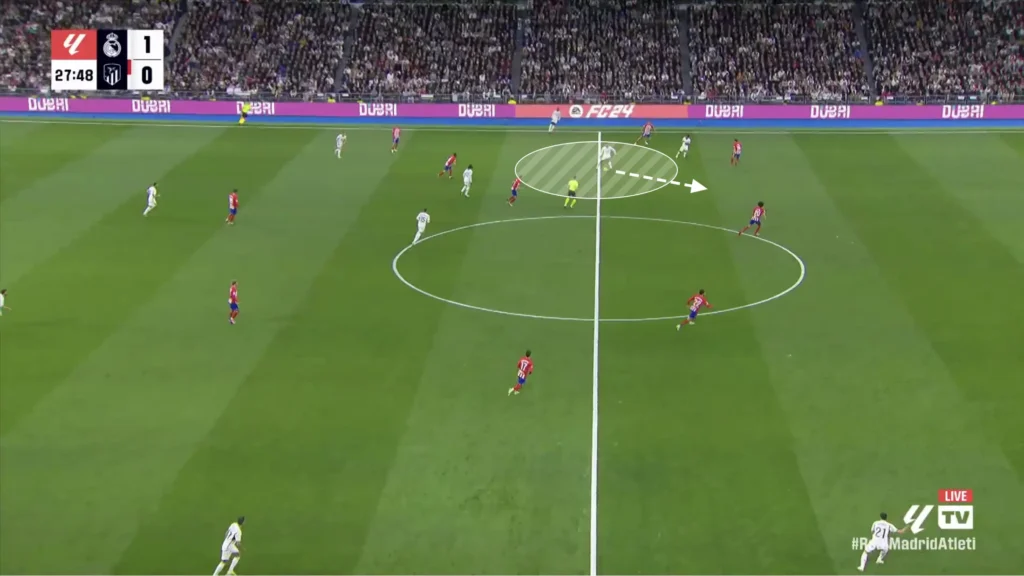
Unlike the traditional box-to-box midfielder, the mezzala’s game is more about positional timing than sheer physicality. And unlike a No. 10, they begin deeper, arriving into dangerous spaces rather than starting there.
Where the Mezzala Operates
The mezzala lives in the half-spaces, zones that offer several key advantages:
- Better passing angles toward the forward line
- Access to both wide and central combinations
- Opportunities to run between fullback and center-back
- Ideal positions for third-man runs
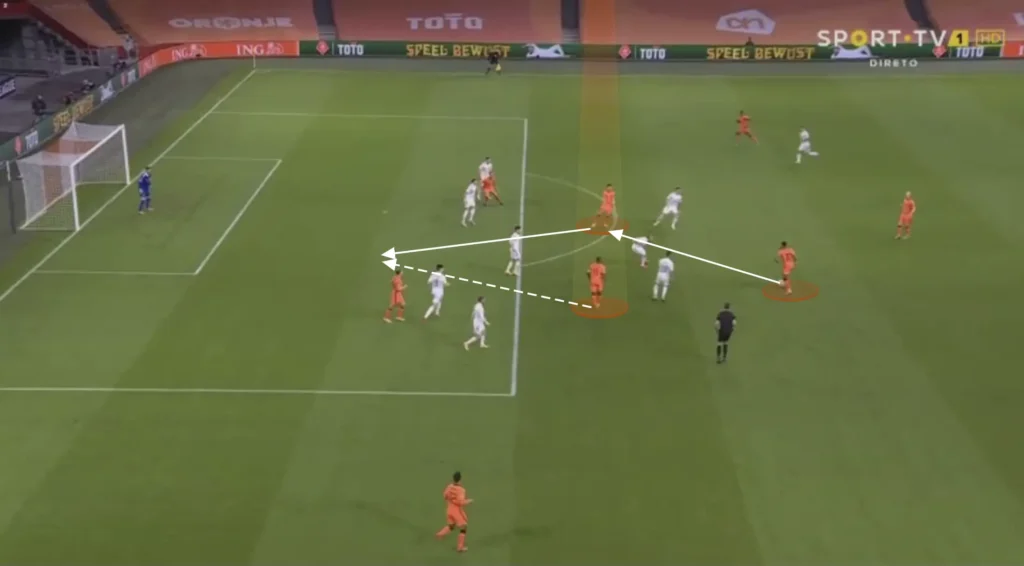
From these channels, mezzalas can support build-up, arrive late into the box, or create overloads depending on the team’s structure. Their freedom within these zones makes them one of the most tactically flexible roles in midfield.
Core Responsibilities
1. Connecting Play Between Lines
Mezzalas help advance possession by offering angles just behind the opponent’s midfield block. Their positioning often forces defenders into difficult choices: step out and leave space behind, or hold the line and give the mezzala time to turn and access the next line of attack.
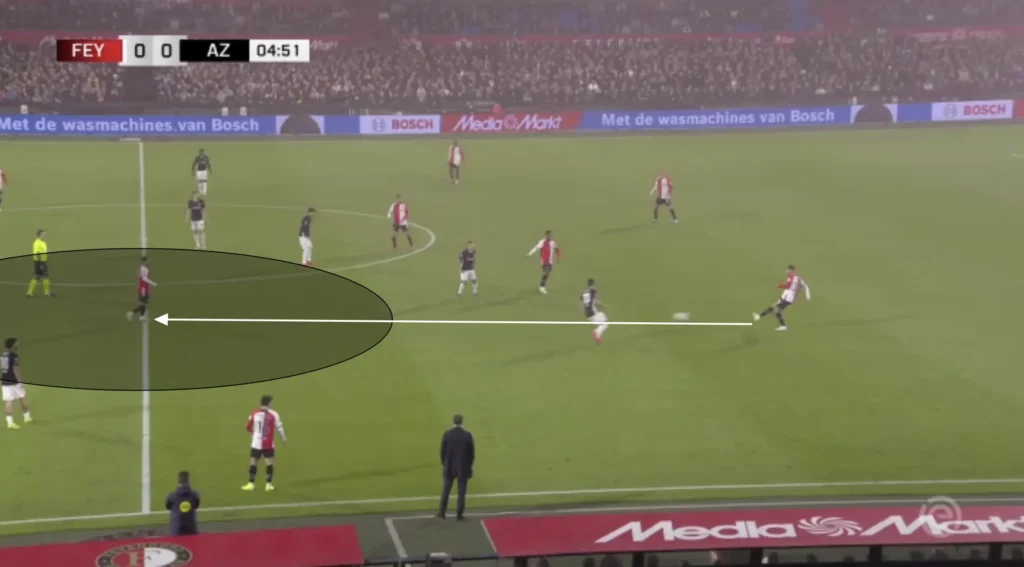
2. Creating Overloads in the Half-Space and on the Wing
They frequently join wingers, fullbacks, and other attackers to create 3v2 or 4v3 situations out wide or in the half-space, especially when breaking into the final third. These overloads are crucial in positional play structures, where numerical superiority in specific zones enables controlled progression.

3. Forward Runs Beyond the Striker
Unlike deeper playmakers, mezzalas are expected to make timed underlapping runs in behind the opposition backline. These movements target the channels between fullback and center-back, which are some of the most vulnerable areas in any defensive line.
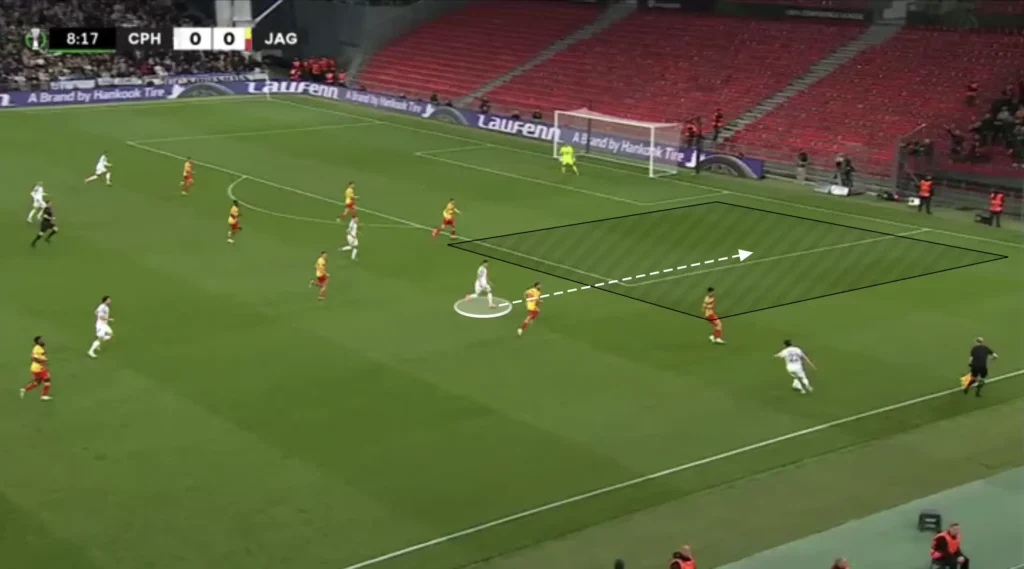
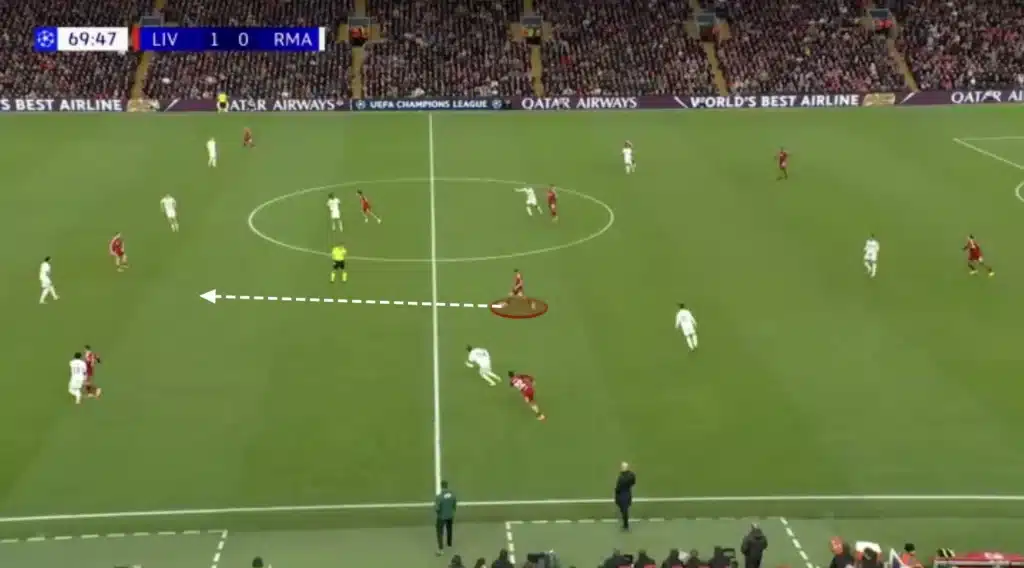
4. Ball-Carrying and Line-Breaking
A strong mezzala can carry the ball through pressure, drive into open space when defenders hesitate, and draw opponents out of shape. Their verticality gives attacking phases an element of unpredictability.
Key Traits of a Mezzala
Technical
- Close control in tight areas
- Progressive passing
- Vertical dribbling
- Clean first touch when receiving between lines
Cognitive
- Awareness of space and pressure
- Timing of movements
- Ability to identify when to drift wide or inside
- Strong scanning habits
Physical
- Agility to turn and accelerate in small pockets
- Stamina to cover large interior channels
- Balance during carries
Psychological
- Confidence to receive under pressure
- Patience to wait for the right moment
- Willingness to make repeated forward runs
How the Mezzala Fits Into Modern Systems
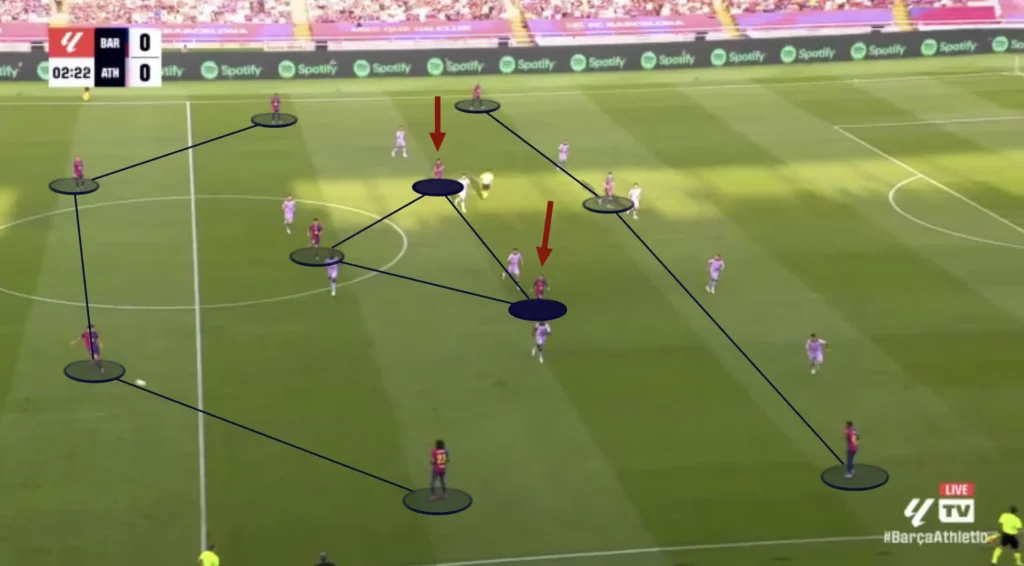
In a 4-3-3 Formation
The classic home of the mezzala. The two No. 8s occupy the half-spaces, supporting the “regista” in build-up and linking with wide players. Their movements determine the height of the team’s structure and help control central areas.
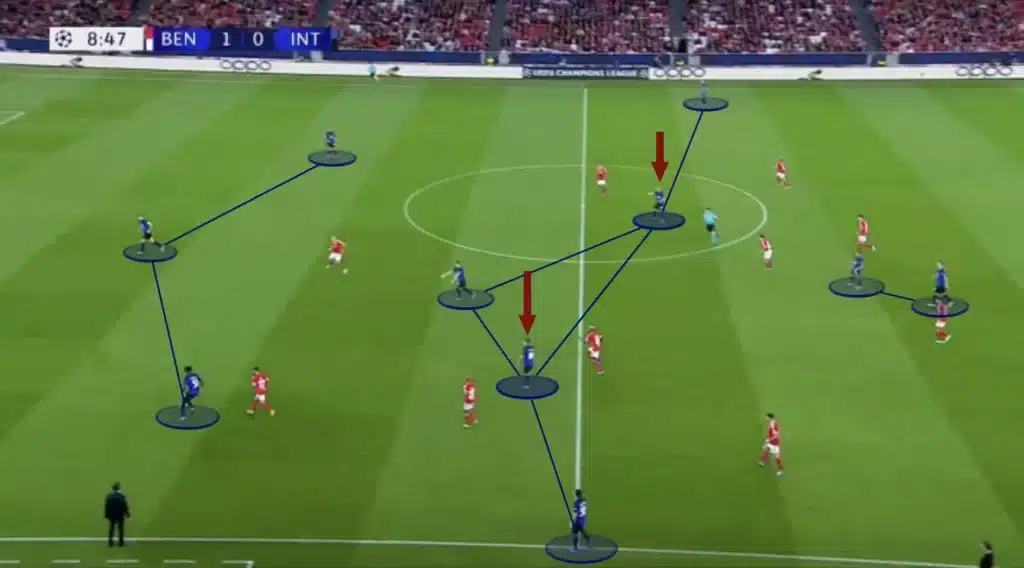
In a 3-5-2 Formation
The mezzalas become the primary creative force. They support both the wing-backs and strikers, often acting as the connection between the double-forward line and the deeper holding midfielder.
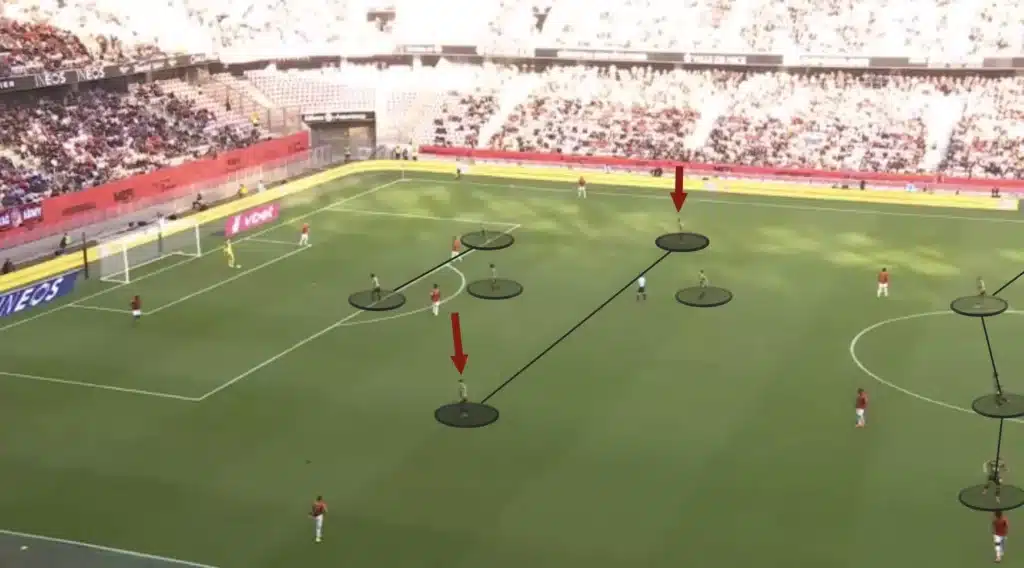
In a 4-1-2-1-2 Formation
The mezzalas operate as the “side midfielders,” providing width through their movements while still protecting central spaces. Their ability to drift wide is crucial because the system lacks natural wingers.
In all these systems, the mezzala’s role is built around occupying the most valuable interior channels while connecting multiple positional lines.
Why the Role Matters in Modern Football
As defensive blocks become more compact and teams prioritize closing central corridors, the value of players who can operate intelligently in the half-space has grown significantly. The mezzala role gives teams:
- More access to central progression without overcrowding
- Vertical threat through late runs
- Stability through consistent interior positioning
- Flexibility in rotations with wingers and fullbacks
This makes the mezzala an essential component of teams that want to dominate possession and manipulate defensive structures rather than simply reacting to them.
Conclusion
The mezzala remains one of the most influential and tactically rich roles in modern football. Positioned in the half-space, they link phases, carry threat, and provide a balance between creativity and discipline that few other roles can match. As teams continue to evolve toward systems built around interior dominance and flexible rotations, the mezzala will remain essential to how coaches build their structures and how modern midfielders shape the game.