In modern football, the biggest differences between top players and average players often appear after fatigue sets in. Anyone can make good decisions when fresh, but matches are usually decided during the final 20–30 minutes, when players are tired, mentally overloaded, and forced to solve complex situations with reduced clarity. Because of that, training decision-making under fatigue has become essential for developing players who can perform consistently at higher levels.
This article explains why decision-making drops when fatigue increases, and more importantly, how coaches can design training exercises that sharpen cognitive clarity even when players are tired.
Why Fatigue Affects Decision-Making
Fatigue does not only slow a player’s legs — it slows their brain. As players get tired:
- Their scanning frequency decreases
- Their perception narrows
- Their reaction speed drops
- Their technical execution becomes less precise
This combination means that decisions made in the final third of a match often have a higher risk of error. When players fatigue, their body wants to simplify actions, avoid risk, and reduce movement, which leads to predictable patterns and slower reactions that opponents can easily anticipate.
In elite football, the difference between scoring or conceding frequently comes down to a moment where a player must recognize a situation quickly and choose the best action despite being physically and mentally exhausted, which is why training this ability is so valuable for real match performance.
The Goal of Training Under Fatigue
The purpose is not to run players into the ground. Instead, the goal is to expose players to realistic match-like cognitive demands when their heart rate is high, forcing them to:
- Scan more deliberately
- Make decisions quicker
- Maintain technique despite fatigue
- Identify the correct options under pressure
- Communicate clearly with teammates
Training under controlled fatigue allows players to build “decision-making endurance,” meaning they can maintain sharpness for longer periods and avoid the predictable mistakes that often appear late in games.
Training Methods: How to Sharpen Decision-Making When Fatigued
1. Small-Sided Games With Immediate Transitions
Use 4v4 or 5v5 formats with quick restarts. After a goal, ball out, or turnover:
- New ball immediately enters
- Players must react instantly
- Transition moments are constant
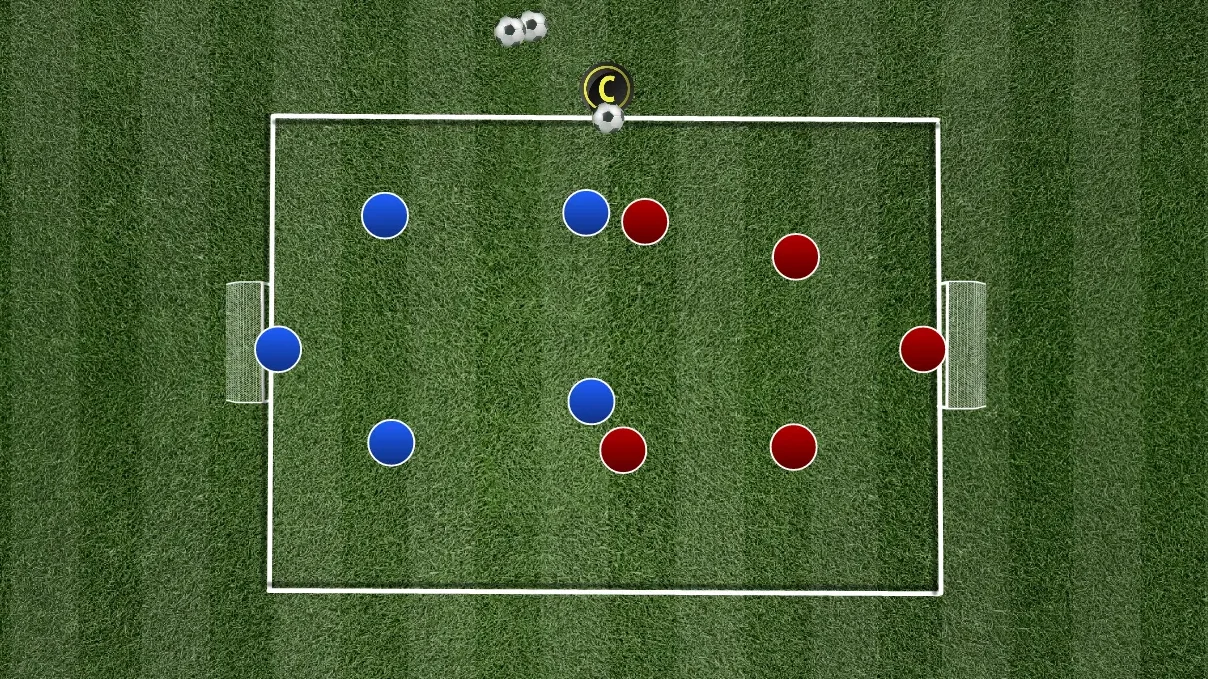
These games naturally elevate fatigue but force players to think quickly and reorganize immediately, which reflects real match demands.
2. Technical Actions After High-Intensity Runs
Example format:
- 10–20 meter sprints
- Receive a pass under pressure
- Execute a 1v1 duel against a defender and finish
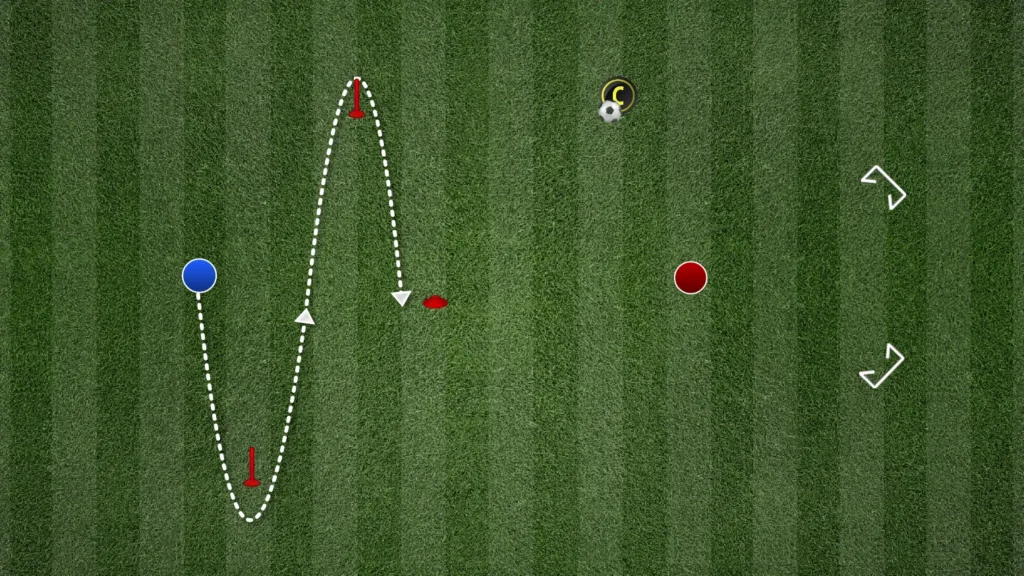
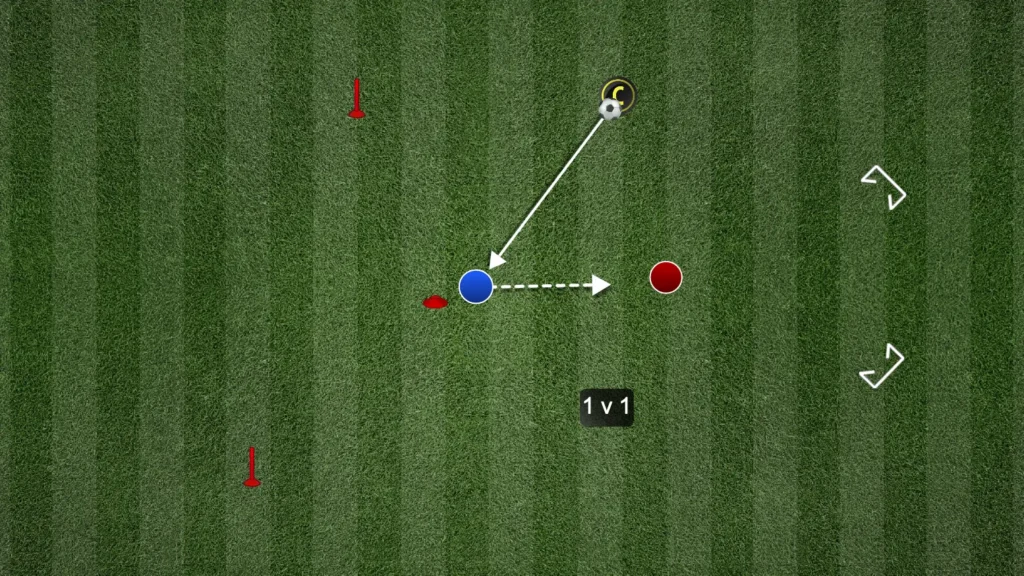
This teaches players to make a clear, correct action directly after accelerating, which mimics real situations where transitions require immediate clarity even after hard running.
3. Rondo Variations With Physical Constraints
Set up a 6v3 or 5v2 rondo with rules such as:
- The outer players must move to a new cone after releasing the ball
- One-touch or two-touch restrictions
- Quick counter-pressure from the outer players when the ball is lost
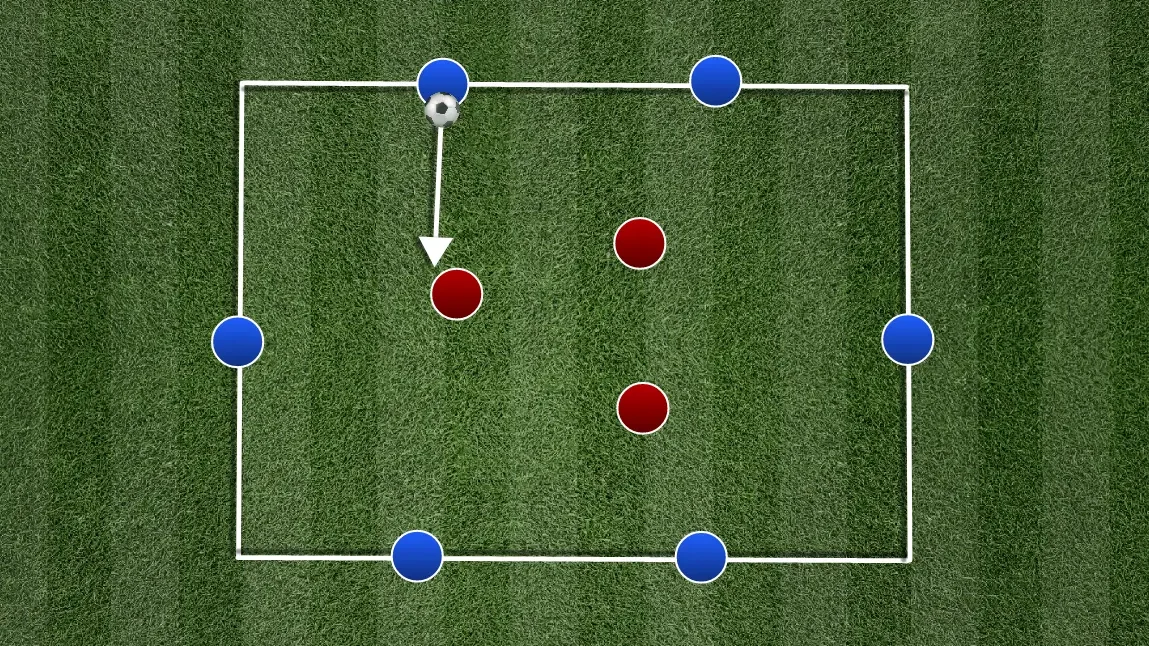
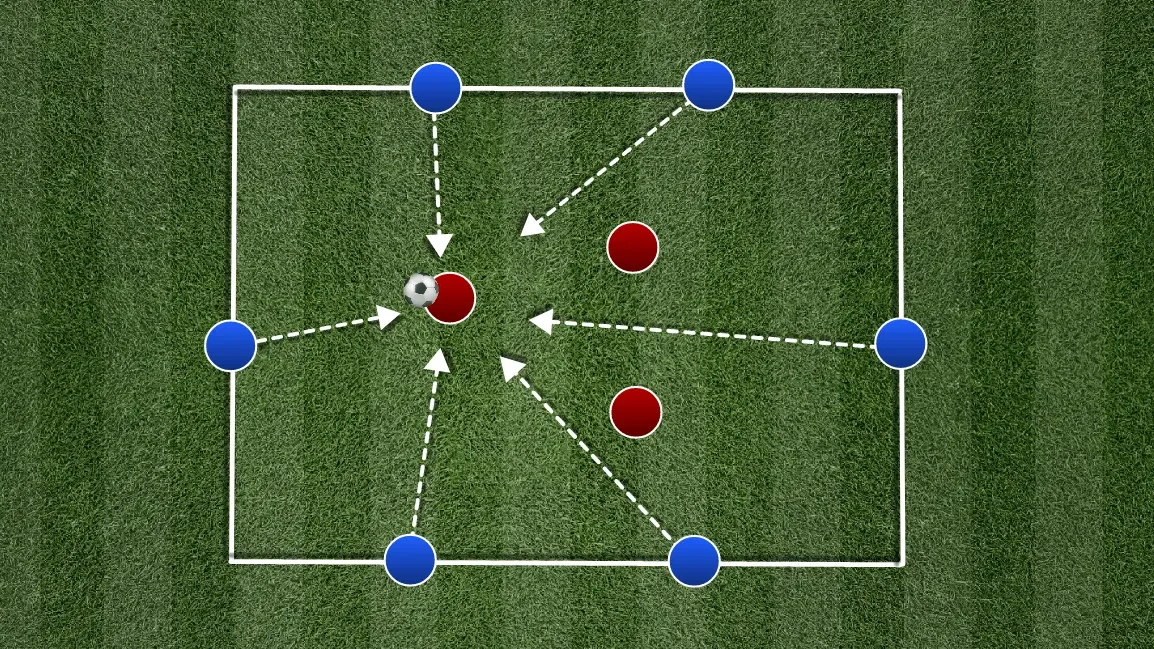
Because players are constantly shifting position, their heart rate rises, and they must maintain scanning and awareness despite fatigue and quick directional changes.
4. Position-Specific Fatigue Drills
Tailor drills to positional demands:
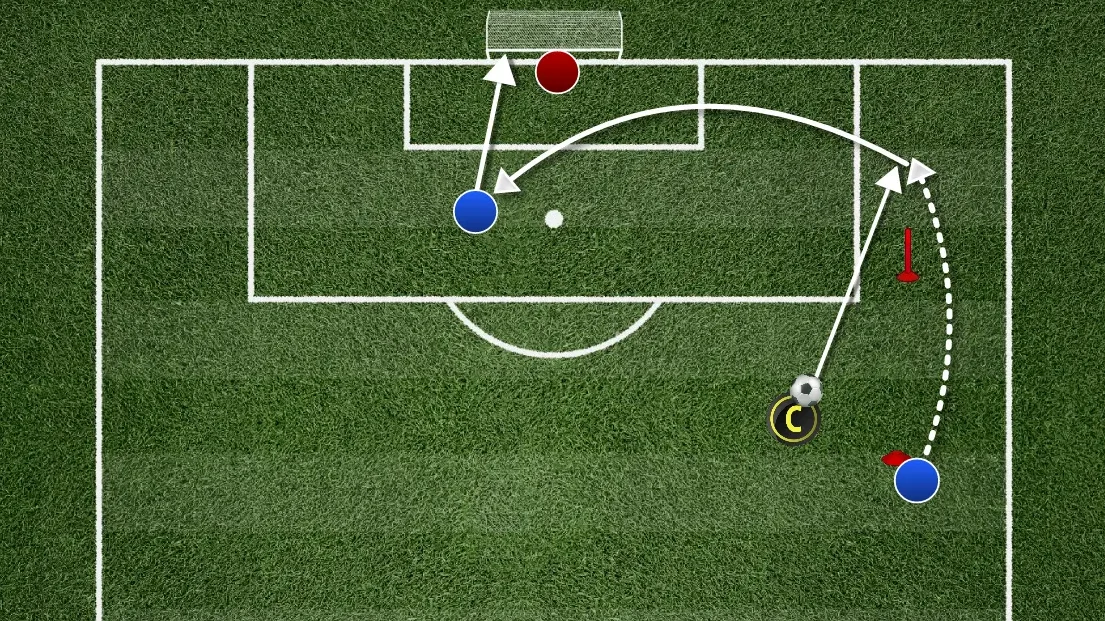
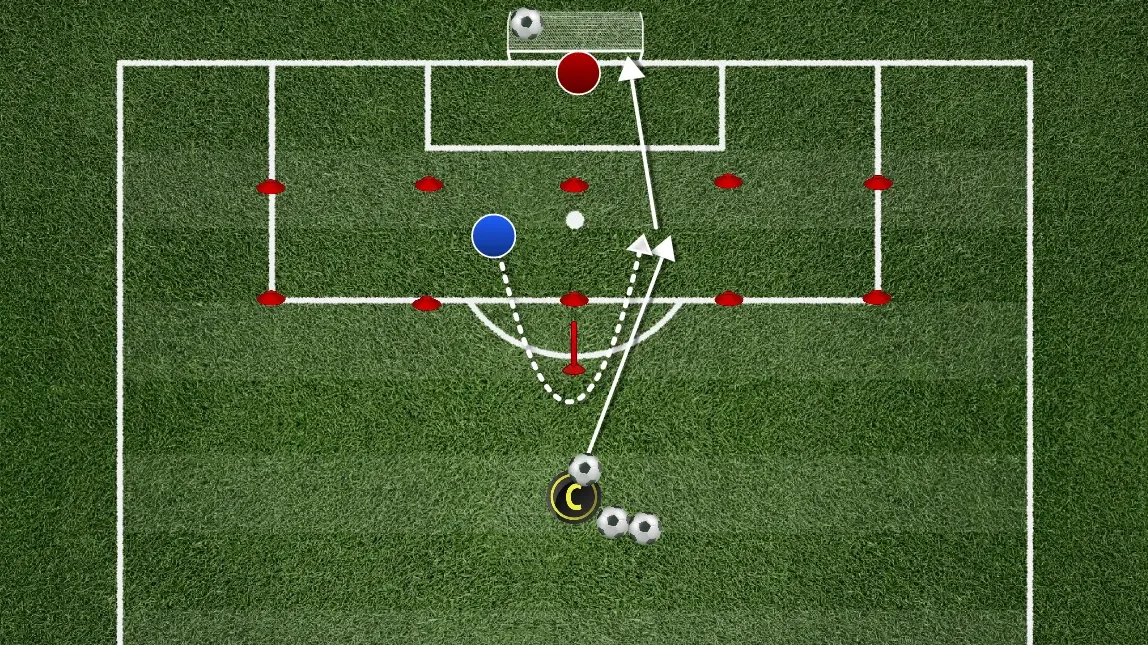
- Fullbacks: Repeated overlapping runs followed by a cross or combination
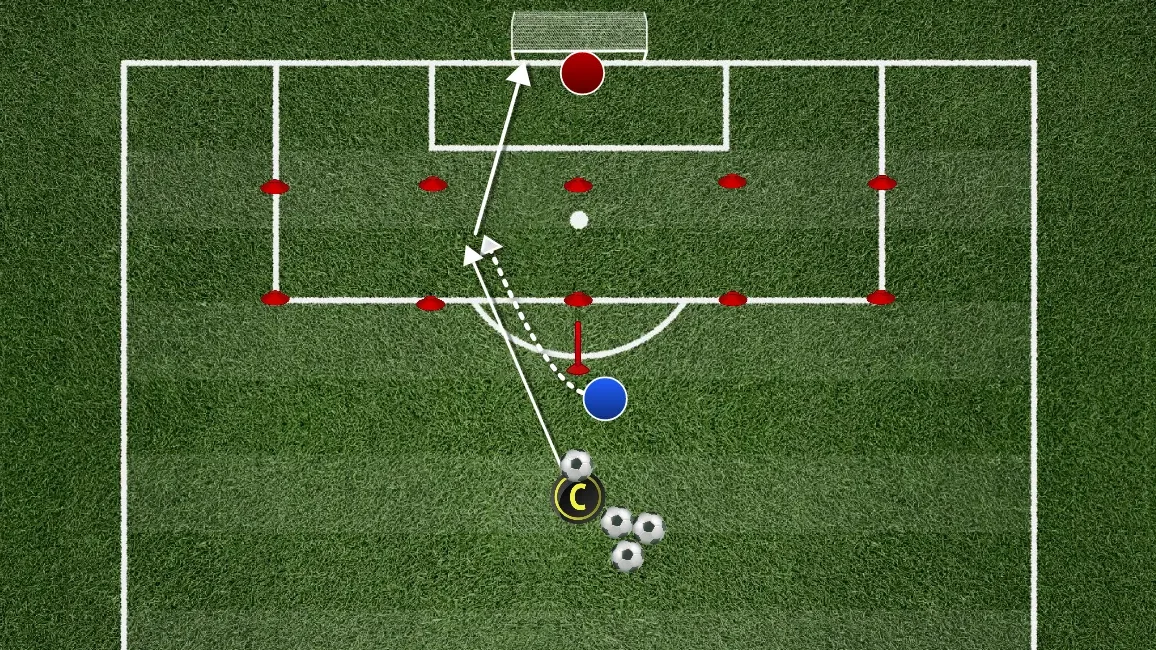
- Strikers: Sprints across the line into different zones before finishing
- Midfielders: Defensive press → recovery run → receive under pressure → switch play
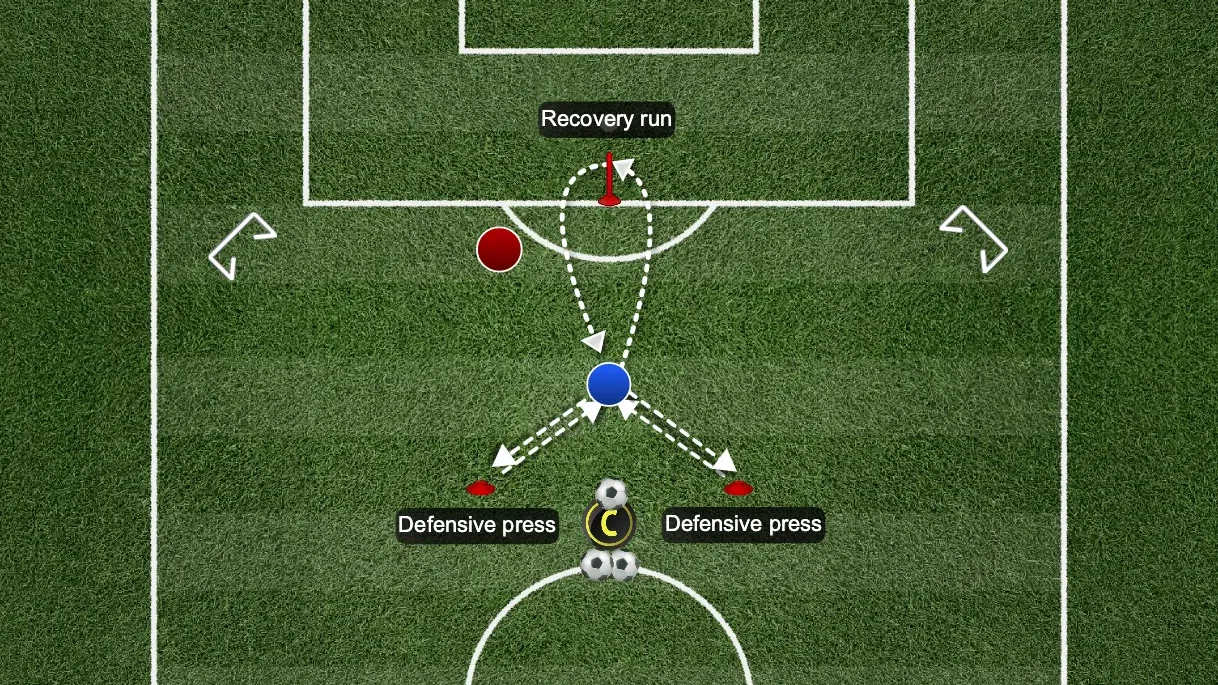
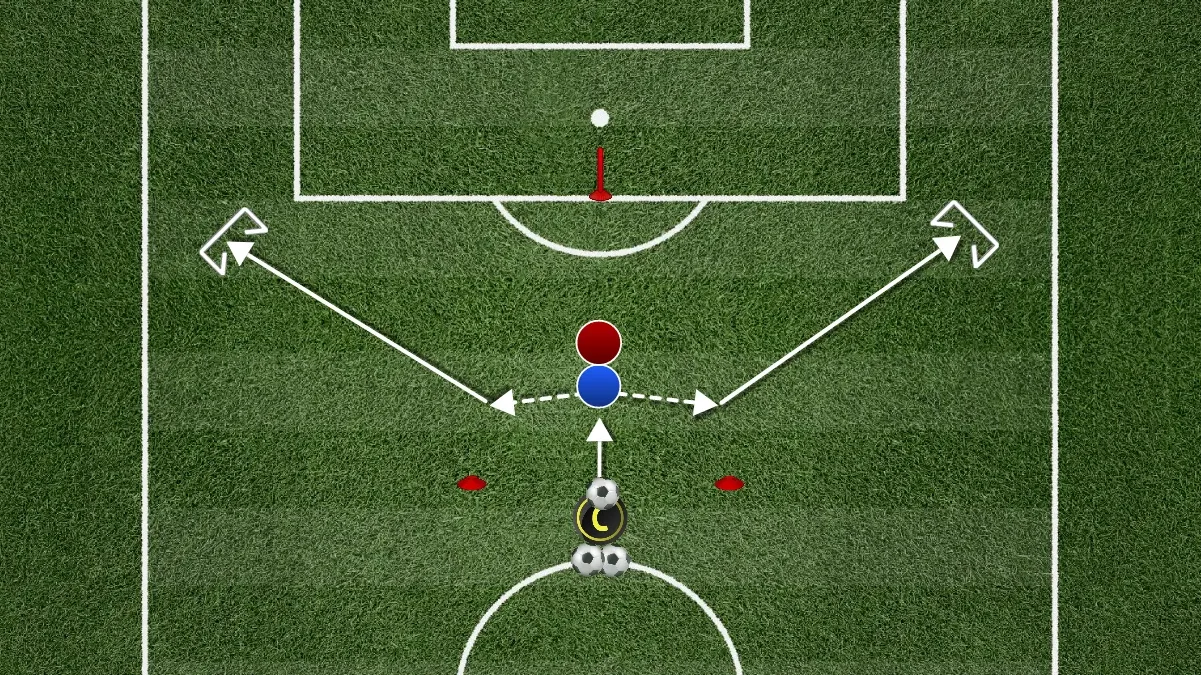
These drills sharpen the exact decisions players face in their role when they are tired late in matches.
5. Decision-Stimulus Coaching
Coaches can add simple stimuli that require quick responses:
- Color calls (“play to red!”)
- Touch restrictions
- Numerical overloads that change mid-exercise
- “Joker” players entering unexpectedly
These force players to solve problems, adjust their orientation, and make quick decisions even when their legs are heavy.
Why Training This Way Actually Works
Training decision-making under fatigue builds cognitive resilience — the ability to stay calm, scan effectively, and choose the best action in moments where most players panic or slow down.
This kind of training also helps players:
- Maintain technical execution at high heart rates
- Stay mentally organized during chaotic phases
- Avoid poor clearances or blind passes in the late stages of games
- Reduce the likelihood of concentration errors leading to goals
- Recognize triggers faster even with reduced energy
Teams that integrate these concepts consistently develop players who are not only physically stronger but tactically sharper for longer periods, which is a key advantage in modern football.
Conclusion
Decision-making sharpness during fatigue is one of the most realistic and valuable qualities a player can develop. Matches are rarely decided in calm, slow moments; they are decided when players are exhausted, stressed, and under intense pressure. By designing training exercises that challenge players cognitively and physically, coaches can help them maintain clarity, speed, and intelligence even during the toughest phases of the game. This is not just physical conditioning — it is tactical development at its highest level.
All images and visuals in this article are made with Once Sport — a powerful and easy-to-use tactical analysis platform. It helps you annotate clips, visualize movements, and create professional analysis videos. Readers of The Football Analyst get 10% off plus one month free with the code TFA10 at checkout.