
Football is rarely random. Even in seemingly chaotic matches, the best teams operate according to pre-established patterns of play: recurring sequences of movement, positioning, and passing designed to create specific advantages on the field. These patterns are not just about individual brilliance—they reflect the collective strategy, discipline, and timing of the team.
At its core, a pattern of play is a tactical blueprint. It involves predefined movements, player interactions, and positioning principles that a team repeatedly uses to progress the ball, break defensive lines, or exploit weak points in the opposition. When executed effectively, patterns allow a team to combine creativity with structure, turning abstract strategies into tangible results.
Why Patterns of Play Matter
Patterns of play provide several key benefits:
- Predictable Options for Players
Players know their roles, positioning, and responsibilities in specific situations. This predictability reduces decision-making time and increases efficiency under pressure. - Breaking Down Organized Defenses
Modern defenses are compact, disciplined, and difficult to penetrate. Pre-rehearsed movements, rotations, and combinations can create temporary overloads or mismatches, turning numerical parity into superiority. - Synchronizing Collective Movement
Teams with well-drilled patterns can move as a cohesive unit, coordinating shifts between midfield and attack or between defensive lines. This collective timing is often what separates elite teams from average ones. - Reducing Errors in Transitions
Patterns aren’t limited to possession—they also include defensive actions, such as pressing triggers or structured counterattacks, which allow teams to respond quickly and minimize vulnerability during turnovers.
Core Components of Patterns of Play
To understand patterns of play, it helps to break them down into four interacting components:
Player Positioning
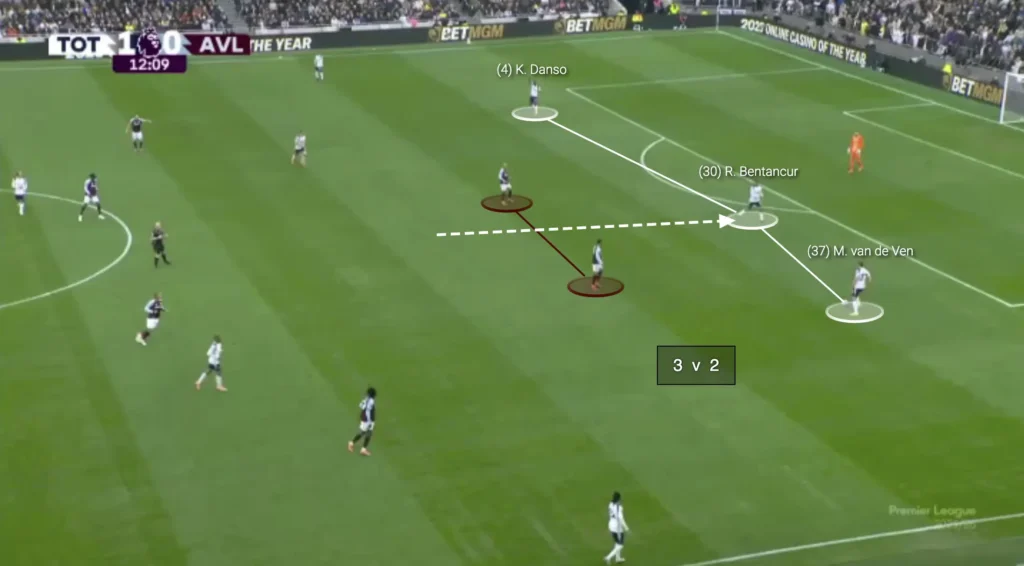
Every pattern begins with a formation and specific player roles. This defines where players start, how they move relative to each other, and which spaces they occupy. For example, in a 4-3-3 formation, the defensive midfielder may drop between the center-backs to create a numerical advantage against the opposition forward line in the build-up.
Movement and Rotation
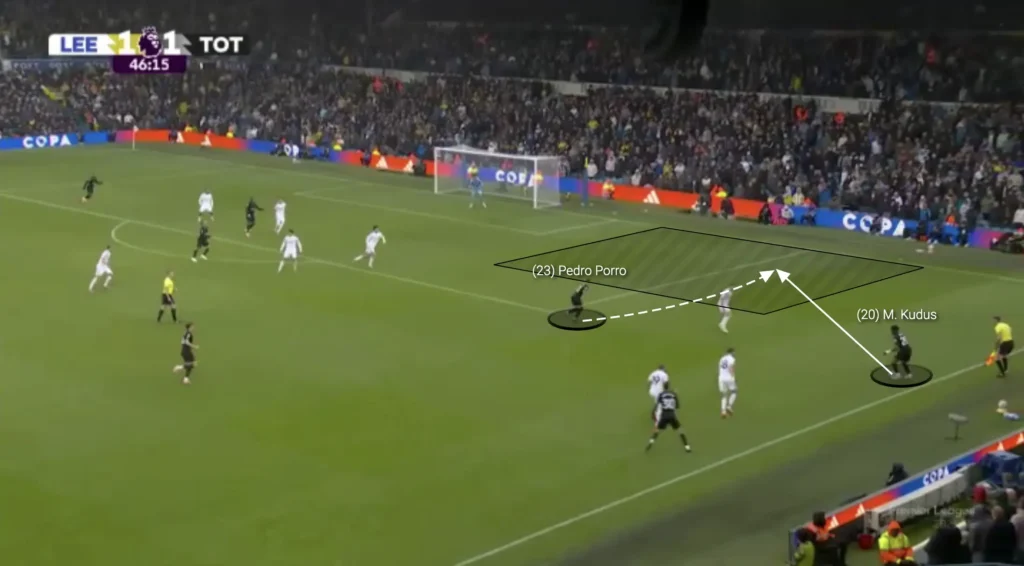
Patterns often rely on rotations between lines or between adjacent players. These movements are designed to:
- Drag defenders out of position
- Open passing lanes
- Exploit half-spaces or blindside channels
Examples include a fullback underlapping a winger or a striker dropping to draw a center-back out of position.
Passing Sequences
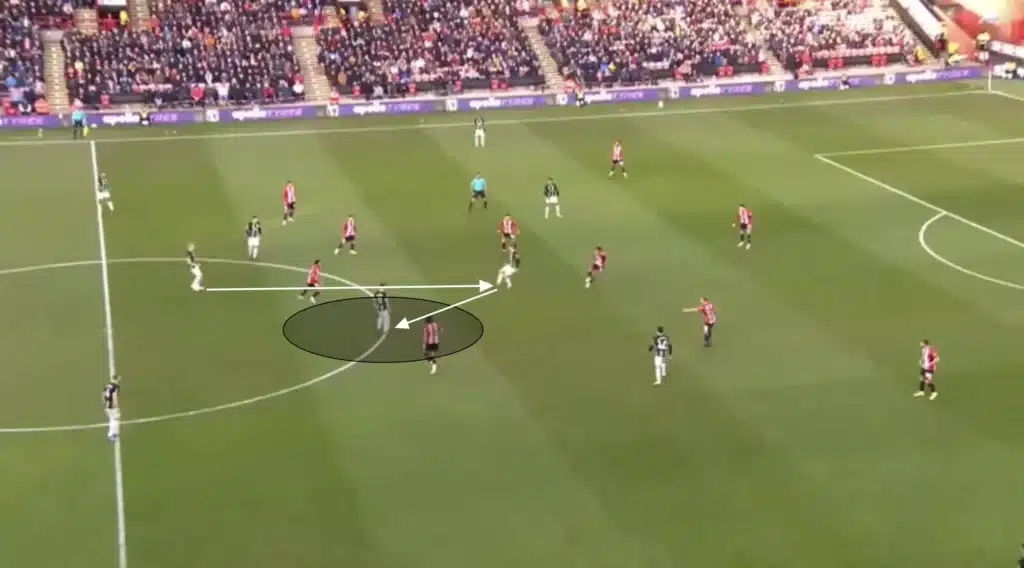
Passing is the spine of any pattern. The sequence—short or long, direct or indirect—determines tempo and rhythm. Patterns of play often include third-man combinations, one-touch passes, or diagonals aimed at exploiting space behind or between defenders.
Trigger Points
Many patterns rely on specific moments in the game—called triggers—when the team initiates the movement. Triggers can be:
- Receiving the ball under pressure
- Switching the ball to the opposite flank
- An opposition defender stepping out of line
- Transitions after a turnover
Recognizing these triggers ensures the pattern unfolds at the right time, maximizing its effectiveness.
Common Types of Patterns of Play
While every coach designs patterns according to their philosophy, several recurring categories appear across elite football:
1. Build-Up Patterns
These focus on progressing the ball from defense to attack in controlled phases. Examples include:
- Goalkeeper + Center-Back + Holding Midfield Combinations: Used to bypass the first line of pressers.
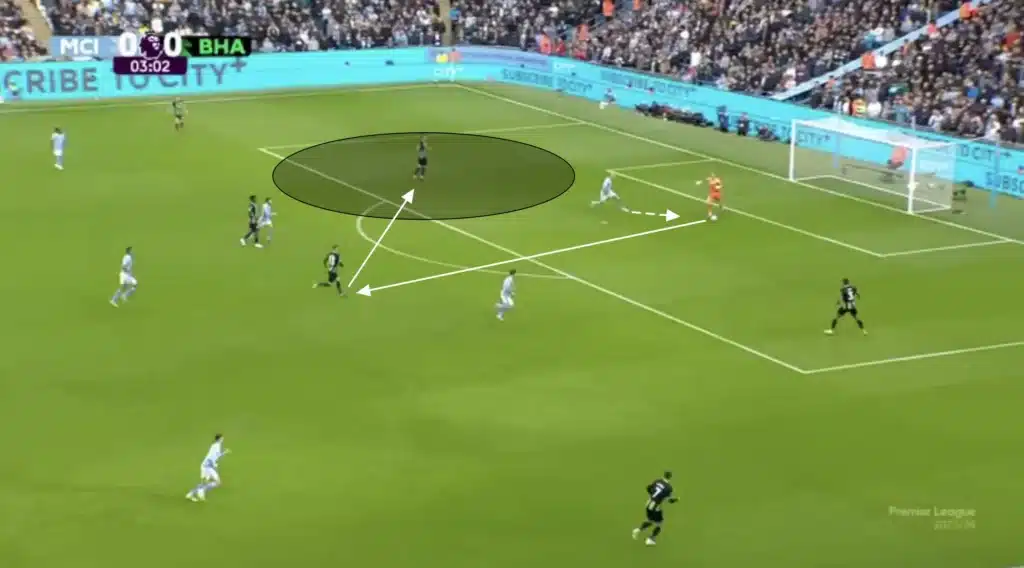
- Side-to-Side Shifts: Switching play with long diagonals to open spaces in the opposite half.
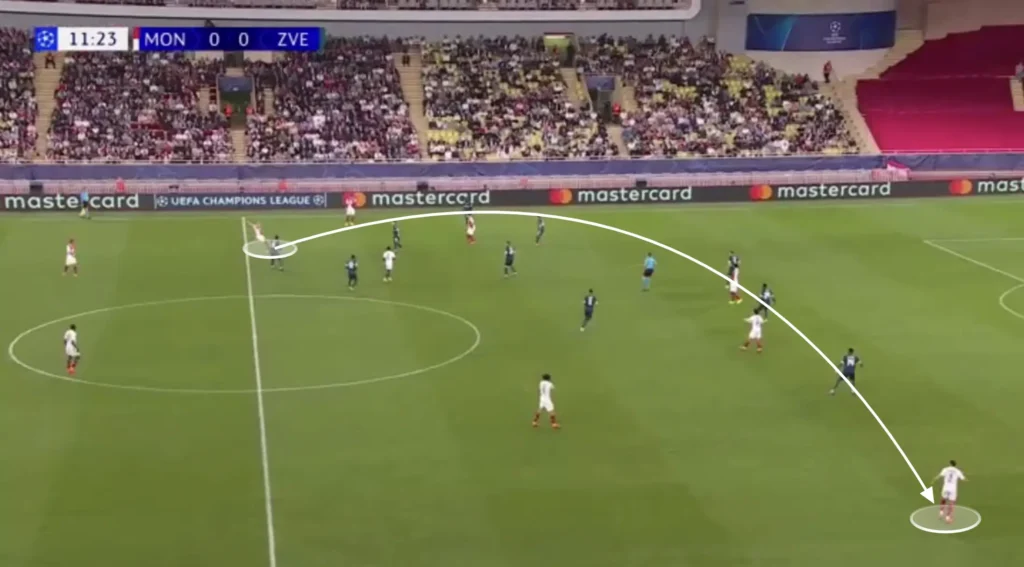
The objective is to maintain possession while gradually disorganizing the opponent’s shape.
2. Penetrative Patterns
These are designed to break lines and create direct goal-scoring opportunities. Examples:
- Line-Breaking Passes Into Players Between the Lines: Exploiting space between the defensive and midfield lines.
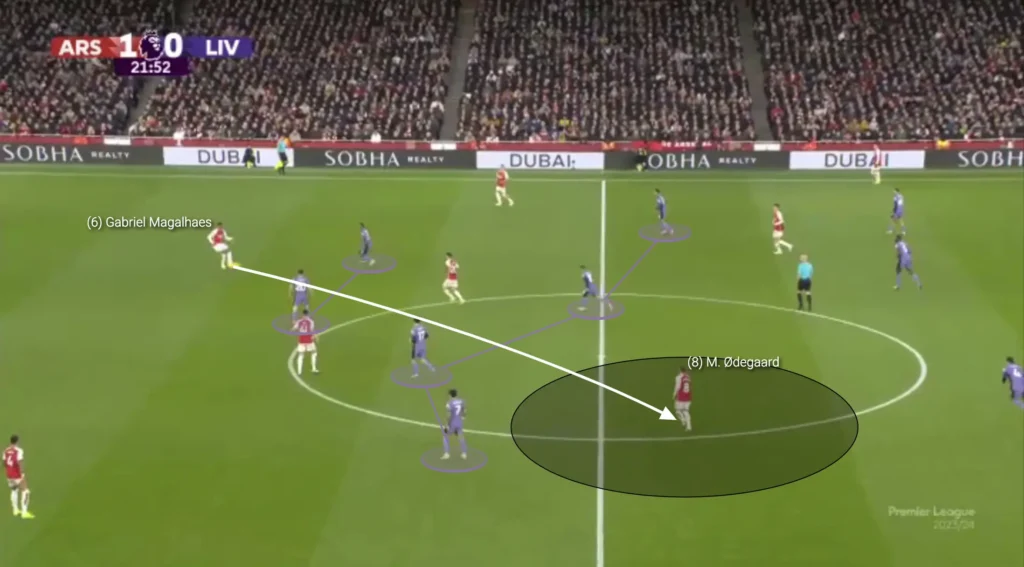
- Diagonal Runs: Strikers or wingers moving into the blindside of defenders to receive the ball with momentum.
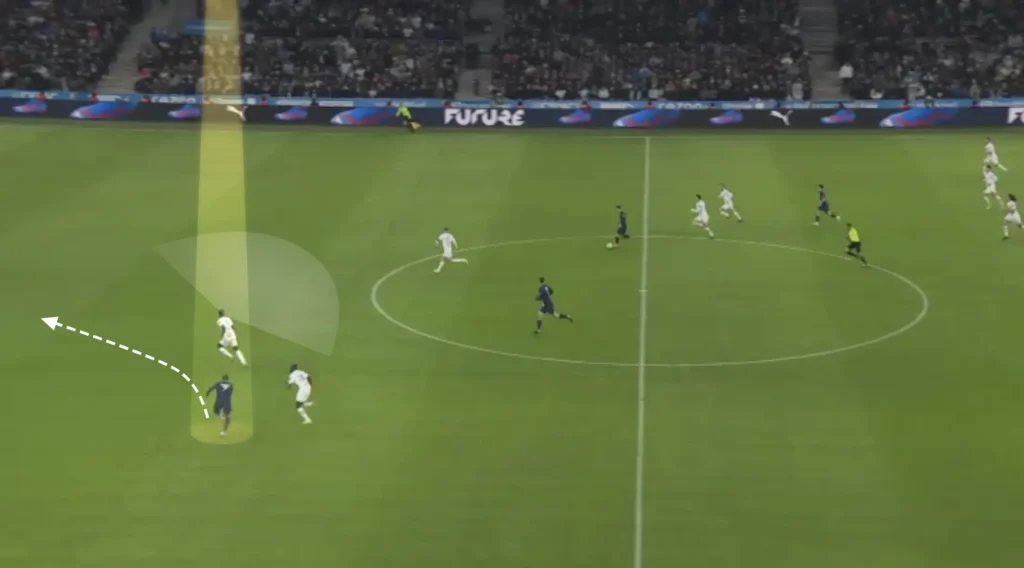
These patterns rely heavily on timing, precision, and coordinated runs.
3. Positional Overload Patterns
Overloads create numerical superiorities in key areas:
- Wide Overloads: Combining wingers, fullbacks, and inside midfielders to outnumber the opposition in wide zones.
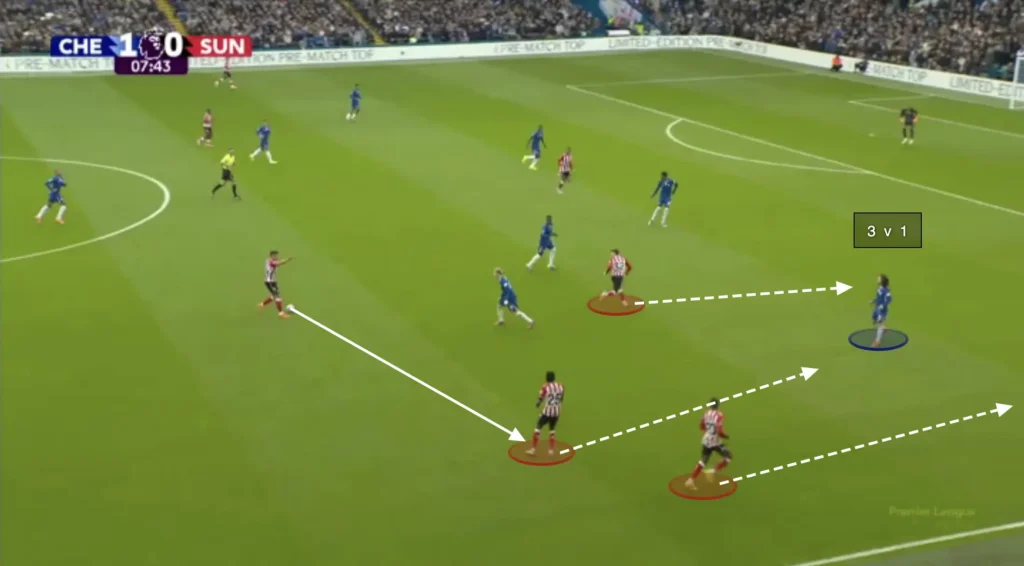
- Central Overloads: Inverting the wingers or fullbacks into congested central zones to manipulate defensive attention.
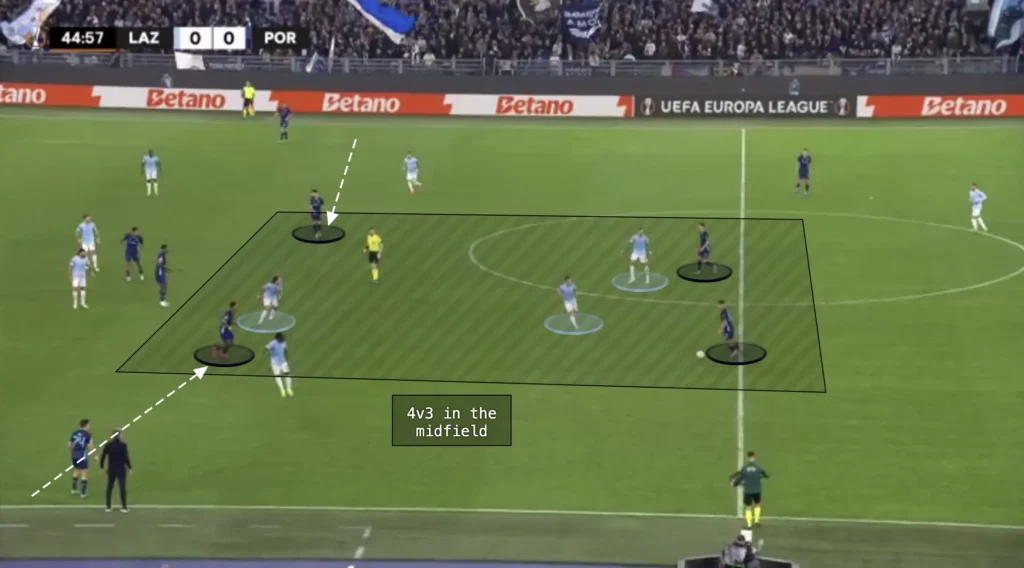
These patterns force opponents into dilemmas: cover the space or press the ball, often opening gaps elsewhere.
4. Set-Piece Patterns
Even dead-ball situations are governed by structured patterns:
- Corner Kicks: Use of blockers, decoy runs, and runners from deep to manipulate marking.
- Free-Kicks: Pre-rehearsed routines that stretch the wall, open channels, or create second-phase opportunities.
- Throw-Ins: Advanced teams design movements that make even a short throw a chance to attack.
Patterns of play in these scenarios maximize efficiency from static positions, increasing the probability of dangerous outcomes.
Implementing Patterns in Training
Patterns of play are learned and reinforced through repetition:
- Segmented Drills
Coaches often break patterns into sections—starting position, trigger, movement, and final action—before combining them into a continuous flow. - Live Scenario Practice
Teams rehearse patterns under simulated pressure to improve decision-making and timing. For example, 4v4 or 5v5 setups allow players to apply rotations and movements against live defenders. - Video Analysis
Modern teams use video clips of opponents to adapt patterns to specific weaknesses, whether it’s exploiting a slow center-back or manipulating an overcommitted fullback. - Incremental Complexity
Players start with simple sequences and gradually increase opposition pressure, speed, and unpredictability to ensure patterns transfer to real matches.
Tactical Flexibility Through Patterns
Patterns of play do not equate to rigidity. While they are rehearsed, elite teams adapt them dynamically:
- Trigger-Based Adaptation: A pattern can be abandoned mid-sequence if the opponent adjusts.
- Positional Awareness: Players maintain awareness of alternative passing lanes and channels outside the pattern.
- Hybrid Patterns: Combinations of build-up, penetration, and overload movements are often merged in a single attacking phase.
This balance between structure and spontaneity is what makes patterns of play effective—they provide a template but do not restrict creativity.
Conclusion
Patterns of play are the invisible framework behind a team’s collective intelligence. They allow a team to combine discipline with creativity, control possession, and generate high-quality chances in a coordinated manner.
By defining positioning, movement, passing, and trigger moments, patterns give players clarity under pressure while maintaining tactical cohesion. They are equally crucial for defensive organization, ensuring that pressing, coverage, and transitions occur systematically.
Understanding patterns of play is essential for coaches, analysts, and ambitious players alike. Mastering them not only improves team efficiency but also allows teams to exploit weaknesses in opponents with precision and consistency. In modern football, where milliseconds and meters decide matches, patterns of play are the roadmap that turns strategy into tangible results.